Orlando New Construction Communities: New-Home Sales Jump 14.2% to 701,000 as the South Surges
After a month of builder price cuts and incentive sheets, federal figures show October new-home sales climbed 14.2 percent to a 701,000 annual pace, carried by a surge to 515,000 in the South as the median price eased to $391,300.
4 minute read
For the homebuilders who spent October cutting prices and printing incentive sheets — and the buyers waiting them out — the federal tally landed the day before Thanksgiving with an unexpected turn: Americans signed contracts on new homes at the fastest pace of 2026, and nearly all of the momentum came from the South.
Sales of new single-family houses reached a seasonally adjusted annual rate of 701,000 in October 2026, the U.S. Census Bureau and the Department of Housing and Urban Development reported on Wednesday, November 25, in release CB26-188. On its face, that marked a 14.2 percent jump from September — a headline number that requires two plain cautions from the fine print. The same release revised September’s pace sharply downward, to 614,000 from the 676,000 first reported. And the 14.2 percent monthly gain carries a 90 percent confidence interval of ±22.6 percent, a margin wide enough to include zero; by the Census Bureau’s own notation, the increase is not statistically significant. October’s pace was also 7.5 percent above the October 2025 rate of 652,000, a year-over-year change whose ±23.0 percent interval likewise includes zero.
The South carried the month
Still, the release’s regional tables leave little doubt about where contracts were signed. In the South, sales climbed to a seasonally adjusted annual rate of 515,000 in October, up from 378,000 in September — a 36.2 percent surge that accounted for nearly three-quarters of the national pace even as the Northeast, Midwest and West all fell. That Census region encompasses Florida and Orlando’s new construction communities, stretching from Kissimmee to Horizon West and Lake Nona. The federal report publishes no state or metro sales figure, and none is claimed here. What the numbers establish is narrower and clearer: October’s national strength was Southern strength, reflecting the same buyer pool walking Central Florida’s model homes.
Prices eased; the shelf thinned
Those contracts were written against softer prices and a slightly leaner supply. The median sales price of new houses sold in October stood at $391,300 — 0.3 percent below September’s $392,600 and 3.2 percent below the $404,200 recorded in October 2025, both shifts falling inside their confidence intervals and marked as not statistically significant by the release’s notation. The average sales price dropped to $459,900, down 2.2 percent from September and 12.1 percent below a year earlier; that annual decline is the single price shift in the report whose confidence interval (±8.1 percent) excludes zero. At the same time, inventory edged lower: builders ended October with an estimated 470,000 new houses for sale, 1.5 percent below September’s 477,000 and 4.1 percent below a year earlier. At October’s sales rate, that represents an 8.0-month supply, down from 9.3 months in September, a shift likewise asterisked as not statistically significant. Translated to a household budget by the Citizen’s own arithmetic, a buyer of the median-priced new home putting 20 percent down borrows $313,040; at this week’s Freddie Mac average rate of 7.21 percent, principal and interest come to about $2,127 a month — a labeled calculation, not a quote.
The official check on the estimate
The Wednesday release also delivered the comparison promised last week, after the Mortgage Bankers Association’s Builder Application Survey estimated October new-home sales at 592,000 from builder-mortgage application data. At 701,000, the Census Bureau’s count landed well above that mark — a reminder, stated each time the two appear together, that the MBA figure is a leading estimate drawn from applications while the Census tally is the official record, itself subject to revision when the November report arrives on December 23. Both figures belong to the same market tracked all month, one defined by builder confidence at a 14-year low in the NAHB survey and a falling national permit count in the Census Bureau’s October construction release. Read alongside their full margins, October’s contract signings leave a plain takeaway: buyers had not left. They were waiting in the South, at lower prices, for a rate that has only just begun to come back down.
More from this desk: the Real Estate & Growth archive and the Citizen’s beat reporters index, and the rest of Orlando’s areas.
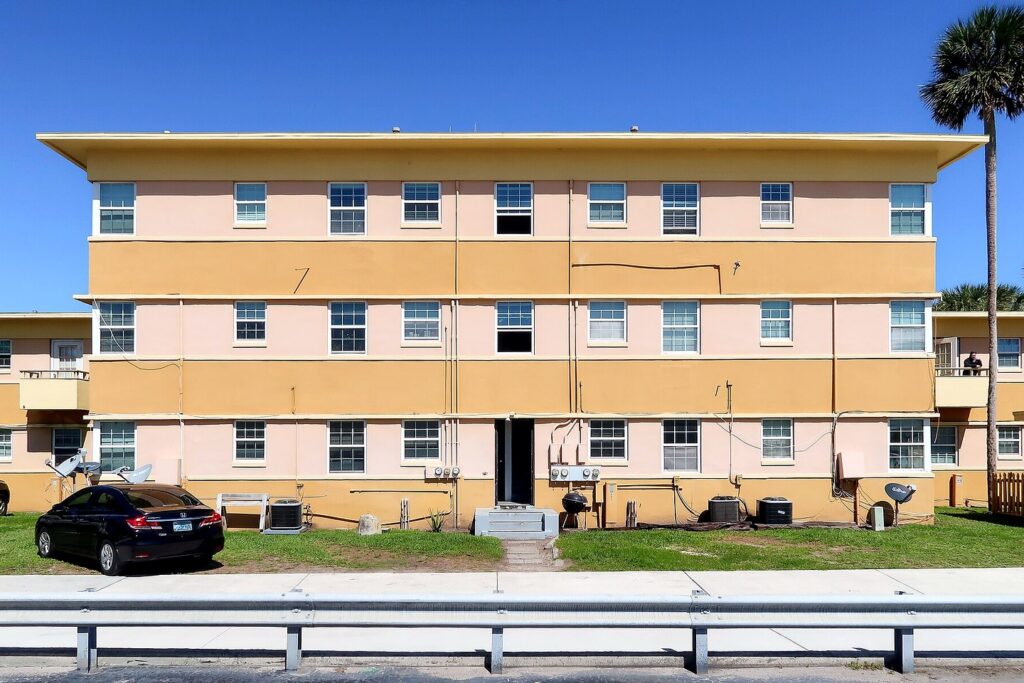
Sources & notes: All sales, price and inventory figures are from the U.S. Census Bureau and U.S. Department of Housing and Urban Development, Monthly New Residential Sales, October 2026 (release CB26-188, released November 25, 2026), read in full by this desk, including its stated 90 percent confidence intervals; changes the release marks with an asterisk are reported here as not statistically significant, per the release’s own notation. The South regional pace (515,000, from 378,000) is from the release’s regional tables. September’s sales rate was revised in this release from 676,000 to 614,000. The release publishes no Orlando-metro or Florida sales figure, and none is reported here. MBA’s 592,000 October estimate is from this desk’s prior reporting, linked in the story, and is a distinct instrument from the Census count. The $2,127 monthly figure is this desk’s calculation on the stated price, 20 percent down and the Freddie Mac November 25 average rate, not a lender quote. Featured photograph is a file photograph from a related Citizen story in this series.
Orlando Citizen by email
The weekly edition, in your inbox
One email, every Saturday: the week’s edition of Orlando Citizen — the week’s stories, rankings and winners, gathered in one place. Free, and you can unsubscribe at any time.
Related Stories
 Real Estate & GrowthOrlando Housing Market: First-Time Buyers Are 40 Now, and a Record 10% Paid All CashReal Estate & GrowthOrlando Home Prices: Values Rise 0.5% in October, Up 2.5% in a Year in Redfin’s IndexReal Estate & GrowthOrlando Housing Market: U.S. Listings Rise 9.4% as the Median List Price Falls to $400,000
Editor’s Picks
Spotted an error? Tell us — corrections · How we rank