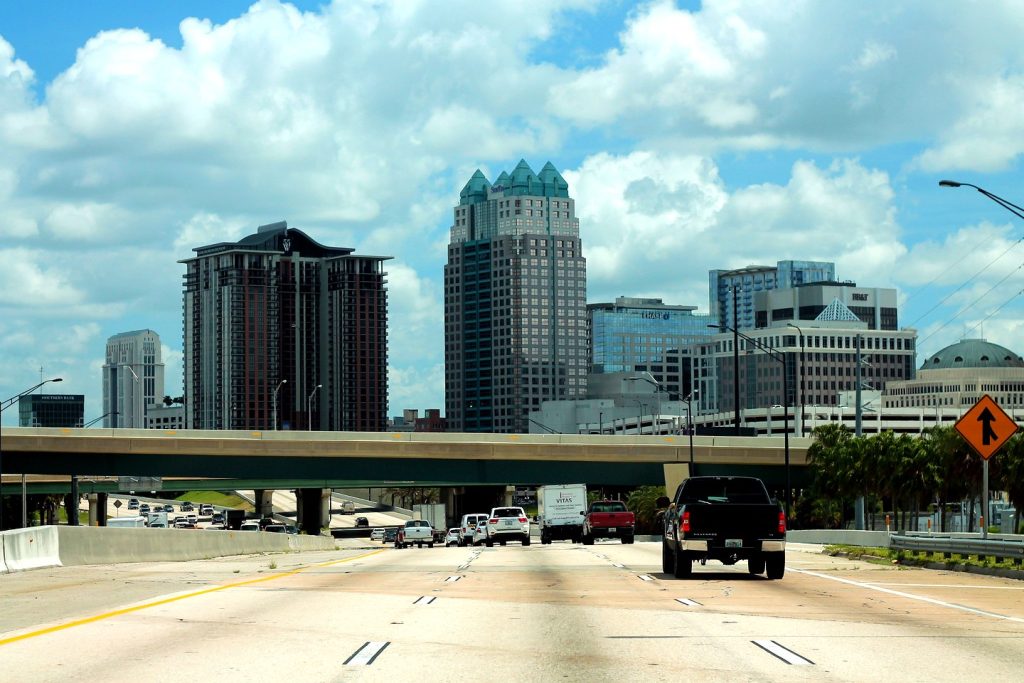
Orlando School Zone Speed Cameras: $100 Citations Start November 30 — Publish the Warning Ledger First
On November 30, Orlando's 20 school-zone cameras stop sending warnings and start mailing $100 civil penalties — a defensible fine with a statutorily fenced split that still owes residents its warning-period ledger first.
4 minute read
OPINION — The Howard Ledger
On Monday morning, November 30 — the first school day after the Thanksgiving break — the envelope arriving from Orlando’s 20 school-zone cameras changes its terms for the registered owner who opens it. Since October 5, those notices have been warnings, a rehearsal costing nothing. Now the same envelope carries a $100 civil penalty. Before Orlando bills its first dollar, the city should publish its first ledger.
The case for enforcement starts with a figure the city itself produced. Orlando chose these 20 zones after a study found that more than half of all drivers moving through them were speeding during school hours. That is a strong case. A school zone where most drivers speed is not a trap; it is a warning ignored at scale.
Two questions, as always
Every proposal to levy a fine gets two questions from me: who pays, and what did we promise them? Unusually, both answers here are written into law. Under Florida Statutes §316.1896, the person who pays is the motorist driving more than 10 miles per hour over the limit in effect — “in excess of 10,” in the statute’s words. At arrival and dismissal, when that limit is 15 or 20 miles per hour, a driver must pass a flashing beacon on a school day at better than 25 or 30 before a camera takes an interest. That is no gotcha. It is a margin most honest drivers will never cross.
What we promised lives in subsection (5), which builds the kind of statutory fence I defend on the tourist tax. Of each $100, $60 stays with the city to administer the systems and fund other public safety work. Twenty dollars goes to the state’s General Revenue Fund. Twelve goes to the county school district for school security, student transportation or safer walking conditions. Five stays for crossing-guard recruitment and retention, and $3 goes to a state law-enforcement training fund. The Legislature itemized the split rather than leaving it to a press release. My condition is the same one I apply to every fenced dollar: spend the money as the fence says, and publish the spending so a resident can check it.
The concession, and the condition
Daniel is right on one point that matters: the notice goes to the registered owner, not the driver, and a flat $100 lands harder on a household counting shifts than on one that is not. The statute answers part of that concern plainly. An owner may furnish an affidavit naming who actually had the car, may request a hearing within 30 days and cannot be made to pay anything before that hearing. Those rights work only if residents know they exist, which is why the notice itself carries the photograph, the date, the place, the recorded speed and the limit in force. Read the envelope before you pay it.
June’s point supplies the other half of mine: a camera is not a crossing guard. The statute agrees, which is why $5 of every penalty is fenced for recruiting and keeping the human beings in the vests. If that line ever migrates into general revenue, this column will say so.
What must be published
The statute requires an annual report listing locations, hours, limits and the count of notices issued, contested, upheld, dismissed, converted to citations and paid. Orlando should not wait for that yearly form. Before the first citation is mailed, the city should publish the warning period’s ledger — how many warnings each zone produced, and at what speeds. And it must hold the line the law draws: no remote surveillance, images destroyed within 90 days of final disposition and written certification of that destruction from the vendor. A camera sold as a school-safety tool that becomes a surveillance tool has broken its promise, and promises are the whole subject of this column.
The fine is defensible. The fence is written. Publish the ledger, and the program can defend itself.
The crossover: read G. L. Dyer’s case in Fair Share and Margaret Shepherd’s street test in From the Porch, plus the Citizen’s news record of the program and the Opinion hub.
Sources & notes
City of Orlando, “New School Zone Speed Camera Program Launches,” official release, October 5, 2026 (orlando.gov) — 20 locations, Verra Mobility partnership, Vision Zero, the 45-day warning period from October 5, the November 30 end of warnings, school days only, and revenue directed to public safety with state-required shares to school safety and crossing-guard programs. Florida Statutes §316.1896 (Online Sunshine, read in full this run) — the “in excess of 10 miles per hour” trigger and its time windows, the notice, affidavit and hearing rules in subsections (2)–(3), the $100 distribution in subsection (5), the uniform traffic citation in subsection (6), the surveillance and 90-day destruction limits in subsection (15), and the annual reporting duty in subsection (16). Central Florida Public Media, “Speed cameras at 20 Orlando schools,” October 5, 2026 — the 15/20 mph school-zone limits, cameras active throughout the school day, the city study finding more than half of drivers speeding in the selected zones, the full 20-school list, and Safe Mobility Manager Laura Hardwicke’s statements, quoted exactly. Orlando Citizen, “Orlando School Zone Speed Cameras: $100 Citations Start November 30 at 20 Schools” — the $100 civil penalty to the registered owner, no license points, and officer review before mailing. Every figure in this column traces to one of those records; no warning-period violation count has been published in the sources checked, and none is claimed.
Orlando Citizen by email
The weekly edition, in your inbox
One email, every Saturday: the week’s edition of Orlando Citizen — the week’s stories, rankings and winners, gathered in one place. Free, and you can unsubscribe at any time.
Related Stories
 OpinionOrlando School Zone Speed Cameras: $100 Citations Start November 30 — and More Than Half of Drivers Made Them Necessary
 OpinionSt. Johns River at Sanford Crests at 8.80 Feet: Test the SR 46 Question on the Road ItselfOpinionSanford St. Johns River Crest at 8.80 Feet: Publish the SR 46 Reopening Ledger
Editor’s Picks
Spotted an error? Tell us — corrections · How we rank