Orange County Data Center Moratorium Hearing December 1: A 12-Month Pause Needs a Published Ledger
Orange County’s draft would make data-center applicants wait twelve months from a date it leaves blank, a decision the incoming board should make after it writes the rules.
4 minute read
OPINION — The Howard Ledger
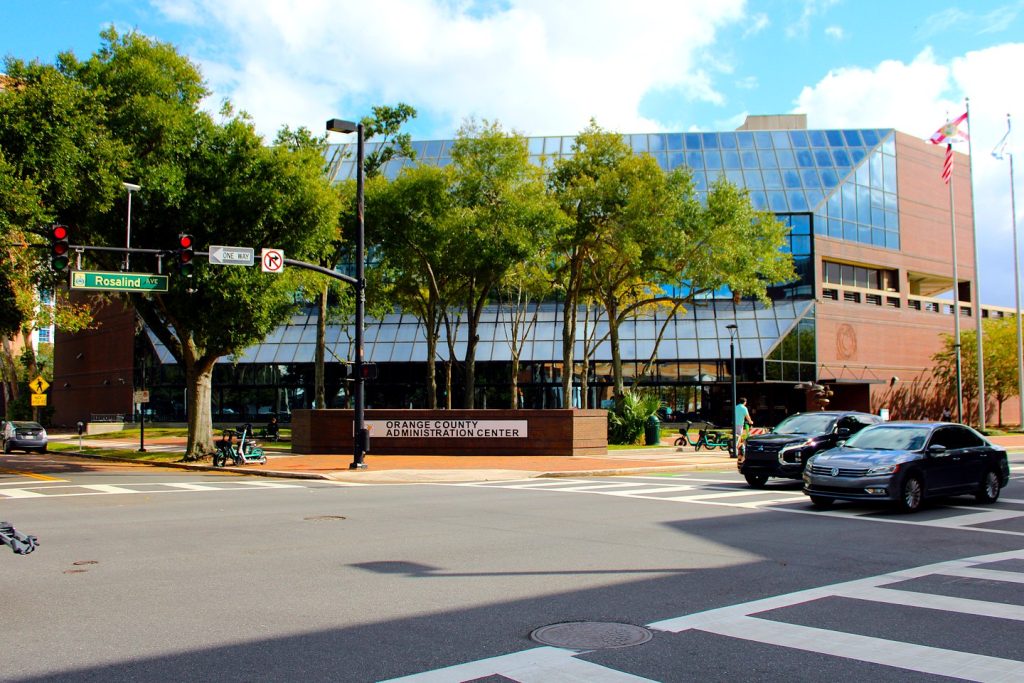
For a landowner who has applied to build a data center in unincorporated Orange County, a year of waiting can mean another year of taxes, insurance and loan payments. The ordinance the county will hear on Tuesday, December 1, would pause data-center applications for twelve months from its effective date. It is item 16 on the afternoon docket, File 26-1371. In the October 7 draft, the space for the effective date is blank.
The county is being asked to suspend a lawful use before it has written the rules the pause is meant to give it time to develop. The draft itself says that the comprehensive plan and the code do not specifically define a data center. I ask the same two questions of every proposal that crosses this desk. Who pays, and what did we promise them?
Who pays for a pause
The applicant pays first. The draft reaches applications already on file if final approval has yet to be issued by the effective date, subject to the vested-rights provisions. A landowner who filed under the existing code could spend a year carrying the property while the county fills a gap in its own rules.
The county pays, too. As this paper has reported, December 1 is the outgoing board’s last scheduled regular meeting. On December 8, a new mayor and five new commissioners will be sworn in, and the board will grow from seven voting members to nine. A twelve-month moratorium adopted in December would bind the incoming board for most of its first year. The new members did not campaign through a single hearing on the question. If the pause is warranted in December, it will still be warranted in January, when the board that will have to answer for it can vote on it.
What the other side gets right
Daniel is right about the water. In September, Commissioner Kelly Martinez Semrad told her colleagues at a public meeting that a large-scale facility exceeding 50 megawatts can consume up to 5 million gallons of water a day, and that the county faces a 96-million-gallon shortfall by 2045. Those are her figures, and they deserve to be taken seriously. Without a definition in the code, the county cannot set conditions on the use. After years of reading budgets, I have little appetite for an unconditioned draw on a short aquifer.
Those figures make the terms of any emergency measure all the more important. It should be narrow, have firm dates and be adopted by the board that will answer for it. Under the draft, the board can extend the pause by a later ordinance whenever it finds more time “necessary.” The exemption for facilities at or under 20 megawatts gives designers across Florida a reason to draw up a 19-megawatt building. The date that starts the twelve months is still blank.
Write the rules, then judge the applications
Staff should first finish the work the ordinance directs, including the definitions, regulatory updates and code amendments. They should publish a schedule and put the water and electric-load figures where residents can read them. The new board should then adopt the rules in the open. Applications should be judged against rules that were in place before the applicant spent a dollar. That order protects the aquifer and gives applicants and the county a basis for planning.
If the board pauses applications while staff write the rules, it should put limits on the pause as it would on a dedicated tax. Set a fixed effective date and a fixed end date that only a supermajority can move. Base the exemption threshold on the evidence. Publish a monthly report showing what the study has produced, so residents can see what the county is doing with the time it has asked landowners to give up.
Margaret will tell you to test it on the street. G. L. Dyer argues that growth must pay for its water before it builds. You can read his case in Fair Share. My argument is about the order in which the county does its work. Shepherd’s porch test is here. The Citizen’s news coverage of the full December 1 agenda, including the tourist tax, I-Drive and this hearing, is here, and the rest of this desk’s arguments are at the Opinion hub.
Before the county asks landowners to wait a year, it owes them a definition of the use it intends to pause and a date when the waiting would begin.
Sources & notes
Every factual claim in this column was checked against: Orange County’s published Long Range Agenda for Tuesday, December 1, 2026 (item 16, Ordinance Public Hearings); the Clerk of the Board’s record for File 26-1371 and its attached draft ordinance (marked DRAFT, October 7, 2026), including the draft’s twelve-month duration, its 20-megawatt exception and its blank effective date; Central Florida Public Media’s September 15, 2026 report of the commission discussion at which the moratorium was set in motion, including the quotations used here; and the Citizen’s own coverage of the December 1 commission agenda and of Lake County’s December 1 moratorium hearing. This is an opinion column; the argument is the columnist’s, the facts are the record’s.
Orlando Citizen by email
The weekly edition, in your inbox
One email, every Saturday: the week’s edition of Orlando Citizen — the week’s stories, rankings and winners, gathered in one place. Free, and you can unsubscribe at any time.
Related Stories
 OpinionDisney World Maintenance Contract Vote in Orlando: Test the Next Offer on International Drive and at HomeOpinionDisney World Maintenance Contract Vote in Orlando: Publish the Wage Ledger Before the Next OfferOpinionDisney World Maintenance Workers Reject Contract 735 to 231 in Orlando: Wages Must Catch the Cost of Living
Editor’s Picks
Spotted an error? Tell us — corrections · How we rank