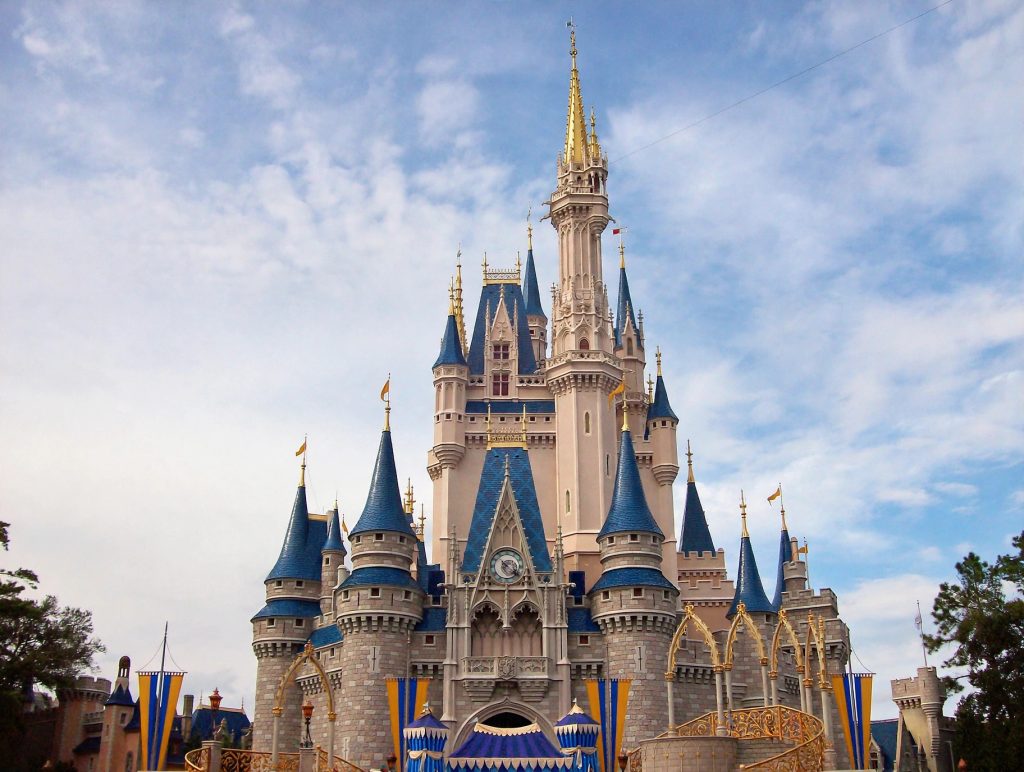
Disney World Maintenance Workers Reject Contract 735 to 231 in Orlando: Wages Must Catch the Cost of Living
G. L. Dyer: After turning down two Walt Disney World contract offers, the mechanics who keep the parks safe are demanding wages that keep pace with the cost of living in the metro their work makes famous.
4 minute read
OPINION — Fair Share
They voted the way they keep Walt Disney World standing: before their shifts began and after they ended. Between 6 a.m. and 6 p.m. on Friday and again on Saturday, attraction mechanics, transportation maintenance mechanics, decorators, carpenters and material attendants came into the Embassy Suites on International Drive, fitting the trip around the edges of the working day, to judge the contract the Walt Disney Company had placed before them. By Saturday night, the count was 735 to 231 — 735 of 966 ballots cast, about three in four, saying no. It was the second offer they had turned down in these negotiations, after rejecting a first offer unanimously on October 13. When skilled people who love the work itself say no twice, in rising numbers and without theatrics, the fault does not lie in their attitude. It lies in the offer.
The more than 1,000 members of Carpenters Local 1820, bargaining as part of the eight-union Craft Maintenance Council, stated their case plainly through the council: wages that have not kept pace with inflation and Central Florida’s cost of living, alongside increased health care costs. Kavin Griffin of the Southern Regional Council of Carpenters supplied the other half of the picture, noting that his members “are the ones making sure that the millions of visitors who visit the parks every year are able to enjoy the rides and attractions safely.” The work is irreplaceable — Griffin’s word, and an accurate one. Put the responsibility beside the grievance and the dispute comes into sharp focus: the people whose labor sustains the parks have watched their pay lose ground to the cost of living in the city that labor makes famous.
Do the math the way a mechanic’s household does
This paper’s Real Estate desk reported this week, citing Zillow’s November 12 Rental Market Report, what it now takes to live in this metro: affording a typical single-family rental in the Orlando metro requires an income of $96,915, and the typical single-family rent stands at $2,423 a month. That is the arithmetic a Disney mechanic’s household works out at the kitchen table — not measured against an abstraction called the labor market, but against a landlord, a health care premium and a grocery bill in the same metro where the parks post their results. In a metro priced like that, a wage offer that falls behind inflation is not simply a disappointing raise. It is a pay cut with better formatting, and 735 workers read it for what it is.
What the other side gets right
Clarence Howard is right on one essential point, and I will not sidestep it: no taxpayer is on the hook here. No dedicated tax is being raided and no public subsidy is being defended; this is a private company and its own workers at a bargaining table, and the county commission has no business setting the wage. He is right, too, that the record contains no strike vote and no walkout date — bargaining will continue, the carpenters say, and no one should inflate a contract rejection into a crisis it is not. Where his argument stops short is in treating the market’s verdict as self-executing. A market signal moves a company this size only when the people sending it hold together — which is what a union is for, and what a 735-to-231 vote looks like.
The lever is the next round at the table
The lever, then, is clear: the bargaining that the Southern Regional Council of Carpenters says will continue between the Craft Maintenance Council and the Walt Disney Company. In the meantime, the contract, expired since September 28, runs month to month. What the next round owes these workers is an offer whose wage path is measured against the cost of living they actually face — published, at least to the members who must ratify it, in percentages that neither side has released for either offer so far. A company that asks the public to believe in the dignity of its product can start by pricing the dignity of the people who keep that product safe.
Howard’s ledger-first case — publish the numbers, keep government out — is here, and Margaret Shepherd’s look at what this means on the streets where these families live is here. The Citizen’s news coverage of the vote is here, and the desk’s other arguments appear at the Opinion hub.
The rides do not run on magic. They run on mechanics — and this weekend, the mechanics named their price.
Sources & notes
Checked against: the Southern Regional Council of Carpenters’ release “Carpenters Union Members Vote Down Disney Contract” (November 21, 2026, read in full) — the vote, hours, place, trades, stated concerns and Griffin quotation; the Citizen’s news coverage of the vote — the September 28 expiry, month-to-month extension, October 13 rejection and eight-union council; and the Citizen’s report of Zillow’s Rental Market Report (November 12, 2026) for the $96,915 and $2,423 single-family figures as labelled there. The three-in-four figure is stated arithmetic on the published vote total. No wage percentages have been published by either side, and none is asserted here.
Orlando Citizen by email
The weekly edition, in your inbox
One email, every Saturday: the week’s edition of Orlando Citizen — the week’s stories, rankings and winners, gathered in one place. Free, and you can unsubscribe at any time.
Related Stories
 OpinionDisney World Maintenance Contract Vote in Orlando: Test the Next Offer on International Drive and at HomeOpinionDisney World Maintenance Contract Vote in Orlando: Publish the Wage Ledger Before the Next Offer
 OpinionOrange County Data Center Moratorium: Test the Pause on the Street Where a Facility Would Land
Editor’s Picks
Spotted an error? Tell us — corrections · How we rank