Lake Marian Blue-Green Algae: Health Alert in Osceola County on November 18 Samples
For the seventh time in 2026, anglers and airboaters at Lake Marian’s pavilion shore face a blue-green algae health alert after a November 18 water sample detected toxins, prompting a November 20 warning from DOH-Osceola.
5 minute read
For the anglers and airboaters who use Lake Marian’s pavilion shore, in the ranch country south of Kenansville, the notice that arrived on Friday carried the weight of repetition. On November 20, 2026, the Florida Department of Health in Osceola County (DOH-Osceola) issued a health alert for the presence of harmful blue-green algae toxins in Lake Marian, at the sampling point the department identifies as the Pavillion area. In the state’s notification repository, it stands as the seventh health alert for this one Osceola County lake in 2026.
Each warning turns on what was in the water on a specific morning, and the release states the date plainly: the alert comes, DOH-Osceola says, “in response to a water sample taken on November 18, 2026.” The Florida Department of Environmental Protection’s (DEP) Algal Bloom Dashboard logs that same visit — November 18, at 10:32 a.m., at the Lake Marian – Pavilion point — with a bloom observed and microcystin, a blue-green algae toxin, detected. The public, the department says, should exercise caution in and around Lake Marian.
What the alert asks of people at the lake
In practical terms, the alert sets clear boundaries along the water. DOH-Osceola advises residents and visitors not to drink, swim, wade, use personal watercraft, or come into contact with water where there is a visible bloom. Anyone whose skin or clothing touches algae, or discolored water that smells unpleasant, should wash with soap and water. And for those keeping animals nearby, the department says pets and livestock should be kept away from the area and given an alternative source of water when blooms are present, because water where algae blooms are present is not safe for animals.
The precautions reach into the kitchen as well. The department advises against cooking or cleaning dishes with water contaminated by algae blooms — boiling the water will not eliminate the toxins — and against eating shellfish from waters with algae blooms. For anglers who do bring in a catch, DOH-Osceola draws a narrower distinction: fillets from healthy fish caught in freshwater lakes experiencing blooms are safe to eat, the department says, provided the fillets are rinsed with tap or bottled water, the guts are thrown out, and the fish is cooked thoroughly.
Seven alerts in one year on one lake
Read across the calendar, Lake Marian’s 2026 record in the Florida Department of Health’s harmful algal bloom notification repository forms a steady drumbeat: health alerts dated January 9, February 13, March 9, May 15, July 28, October 26, and now November 20. The October 26 alert, issued by DOH-Osceola, rested on a water sample taken October 20 at the same Pavillion area. Under the repository’s stated rule, a health alert is lifted once resampling detects no toxins, or once 30 days have elapsed since the last sampling date. Each new alert on this lake is best read as a new measurement rather than a continuation of the last one — and the November 18 sample found toxins present again.
Even within the same week, nearby waters can tell opposing stories. Three days ago, on the other side of the metro, this desk reported that DOH-Orange issued a health alert for Lake Pearl on November 12 samples. An hour’s drive north-west of Lake Marian, the trend cut the other way, where the Willoughby Canal alert was lifted this week after follow-up samples detected no toxins. The lakes do not move together; each is its own sample, its own date, its own result. That discipline shapes every algae story this desk publishes, and it is why the Environment archive carries alerts only when a named agency publishes a result on a stated sample date.
Where Lake Marian sits
Lake Marian is one of the large natural lakes of southern Osceola County, part of the Kissimmee River basin country this desk covered earlier this week when the state approved a $77.75 million conservation easement on 19,312 acres of Osceola Prairie in the same watershed. The contrast is plain: the easement protects the land around the water, while the alert measures the water itself, on the day it was sampled — and for the people who return to Lake Marian’s shore, the question remains what the next sample will find.
How to report a bloom, and where to ask
When blooms are reported, DEP and its partners collect algae samples from those locations and publish the toxin results on Protecting Florida Together and on DEP’s Algal Bloom Dashboard. Residents and visitors can report a bloom to DEP online or at 1-855-305-3903. Symptoms from exposure to a harmful algae bloom go to the Florida Poison Information Center at 800-222-1222. Reports of dead, diseased or abnormally behaving fish or wildlife go to the Florida Fish and Wildlife Conservation Commission online or at 800-636-0511, and DOH-Osceola takes other health questions about blue-green algae at 407-742-8600.
Sources & notes
Every fact in this article comes from primary sources checked November 21, 2026. The alert itself is from the Florida Department of Health in Osceola County’s release, “DOH-Osceola Issues Blue Green Algae Health Alert at Lake Marian,” dated November 20, 2026, at floridahealth.gov: the presence of harmful blue-green algae toxins in Lake Marian – Pavillion area (the department’s spelling); the November 18, 2026 sample date; the full list of precautions reproduced above; and the reporting and contact channels (DEP 1-855-305-3903, Florida Poison Information Center 800-222-1222, FWC 800-636-0511, DOH-Osceola 407-742-8600). The sampling detail is from the Florida DEP Algal Bloom Dashboard (floridadep.gov/AlgalBloom), checked November 21, 2026: Lake Marian – Pavilion, November 18, 2026, 10:32 a.m., bloom observed, microcystin detected (the dashboard entry shows the value with a laboratory qualifier and no unit, so no figure is asserted here). The 2026 alert history and the lifting rule are from the Florida Department of Health’s harmful algal bloom notification repository (floridahealth.gov, “HAB Health Notifications”), checked November 21, 2026, which lists Lake Marian alerts dated January 9, February 13, March 9, May 15, July 28, October 26 and November 20, 2026; the October 26 alert’s October 20 sample date is from DOH-Osceola’s October 26, 2026 release. No toxin concentration, acreage or cause for the bloom is asserted, because none of the sources checked states one for this alert.
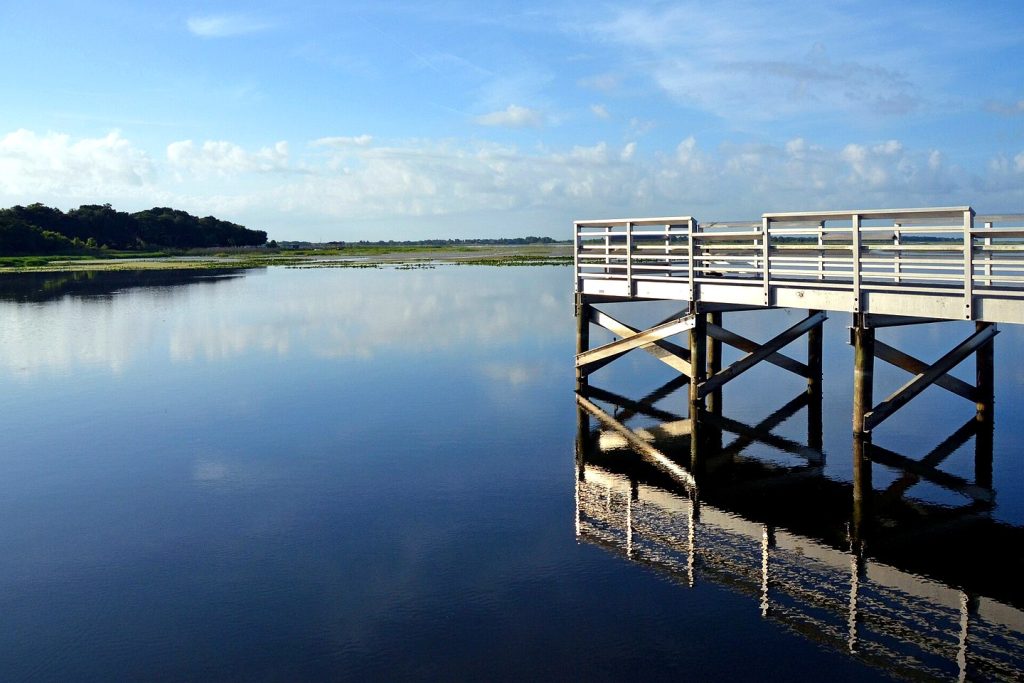
File photo: Lake Tohopekaliga, in Osceola County — not Lake Marian. Photo: Clément Bardot, CC BY-SA 4.0, via Wikimedia Commons; the paper’s photo grade applied. Featured image reused from the Citizen’s Osceola County lake coverage.
Orlando Citizen by email
The weekly edition, in your inbox
One email, every Saturday: the week’s edition of Orlando Citizen — the week’s stories, rankings and winners, gathered in one place. Free, and you can unsubscribe at any time.
Related Stories

Editor’s Picks
Spotted an error? Tell us — corrections · How we rank
