Blue-Green Algae in Orlando Lakes: Health Alert for Lake Pearl on November 12 Samples
Five days after Nov. 12 water samples turned up harmful blue-green algae toxins at Lake Pearl’s Piermont Court, DOH-Orange issued a health alert warning people and pets to stay out of the water.
5 minute read
Along the shore of Lake Pearl, the ordinary routines of a Florida waterfront — walking a dog beside the bank, casting a line from the edge, letting a pet dip its nose to drink — carry a blunt warning from the state this week: stay out of the water, and keep animals out of it too. On November 17, 2026, the Florida Department of Health in Orange County (DOH-Orange) issued a health alert after detecting harmful blue-green algae toxins in Lake Pearl at the sampling point the department identifies as Piermont Court.
What gives the warning weight is the calendar behind it. The alert came, DOH-Orange said, “in response to water samples taken on November 12” — a five-day-old sample when the notice went out, and the first Orange County algae notification this desk has seen all season grounded in November sampling rather than in October water or an undated posting.
What the alert asks of people at the lake
DOH-Orange urges residents and visitors to use caution in and around Lake Pearl (Piermont Court), laying out the specific rules that take hold when toxins turn up in neighborhood water. People should not drink, swim, wade, use personal watercraft or come into contact with water where a bloom is visible, and anyone whose skin or clothing touches algae — or discolored water with an unpleasant odor — should wash with soap and water. Pets and livestock should be kept away from the area altogether and given an alternative source of water, the department advises, because water where algae blooms are present is unsafe for animals.
The precautions reach indoors as well. DOH-Orange warns against cooking or washing dishes with bloom-contaminated water — boiling will not eliminate the toxins — and against eating shellfish harvested from waters experiencing blooms. Freshwater anglers face a narrower rule: fillets from healthy fish caught in lakes with blooms remain safe to eat, the department says, provided the guts are thrown out, the fillets are rinsed with tap or bottled water, and the fish is cooked thoroughly.
Why this alert clears a bar earlier ones did not
Several Orange County algae notices have crossed this desk this season without reaching print because they failed a basic journalistic test for a health story: a named agency and a stated sample date. The county’s previous alert, for Willoughby Canal east of Lake Conway, rested on water collected October 19. A separate advisory on the county WaterAtlas for Lake Pearl West in Ocoee states no sample date in its posting at all. The Lake Pearl (Piermont Court) warning clears that threshold: DOH-Orange puts its name on the notice, identifies both the lake and the sampling point, and dates the water to November 12, 2026.
Behind the alert is an organism built into the state’s freshwater landscape. Blue-green algae are bacteria common across Florida’s lakes and canals, DOH-Orange notes, multiplying rapidly when sunny days, warm water, still conditions and excess nutrients converge. Though blooms peak in summer and fall, they can develop year-round, discoloring the water, giving off unpleasant odors, gathering in floating mats or coating the surface like scum, foam or paint — and the bacteria can linger even when no bloom is visible. Certain strains produce toxins that threaten ecosystems, pets and people; sensitive individuals, including children, the elderly and the immunocompromised, may face risks even at low concentrations, the department says.
How the sampling works, and where to check next
Tracking a bloom moves from public sightings to state laboratories. The Florida Department of Environmental Protection (DEP) and its partners collect algae samples from reported bloom sites, posting laboratory toxin results on DEP’s Algal Bloom Dashboard and on Protecting Florida Together, which also carries current statewide water-quality and harmful-algae notifications and lets residents subscribe for alerts when water quality shifts in their area. Readers following the Citizen’s wider water coverage — including the Middle St. Johns River Basin Plan adopted last week and the district’s once-a-week winter watering schedule — can find those reports in the Environment archive, alongside the season’s other warm-water story, the arrival of manatees at Blue Spring, in Manatee Season at Florida Springs.
For residents watching the water in the days ahead, four agencies divide the response. DEP takes algae-bloom reports online or toll-free at 855-305-3903. Symptoms from exposure to a harmful algae bloom can be reported to the Florida Poison Information Center at 800-222-1222; dead, diseased or abnormally behaving fish or wildlife go to the Florida Fish and Wildlife Conservation Commission online or at 800-636-0511; and DOH-Orange fields other health questions about blue-green algae at 407-723-5004.
Sources & notes
Every fact in this article comes from the Florida Department of Health in Orange County’s health alert, “DOH-Orange Issues Blue-Green Algae Health Alert for Lake Pearl (Piermont Court),” issued November 17, 2026, at orange.floridahealth.gov and checked November 18, 2026: the presence of harmful blue-green algae toxins in Lake Pearl (Piermont Court); the November 12, 2026 sample date on which the alert is based; the full list of precautions reproduced above; the description of blue-green algae and bloom conditions; and the reporting and contact channels (DEP 855-305-3903, Florida Poison Information Center 800-222-1222, FWC 800-636-0511, DOH-Orange 407-723-5004). The contrast items are from this desk’s own reporting record: the DOH-Orange Willoughby Canal alert of October 23, 2026, based on October 19 samples, and the undated Lake Pearl West (Ocoee) advisory posting on the Orange County WaterAtlas, checked November 18, 2026. No area hub is linked because no Citizen area hub covering Lake Pearl’s immediate neighbourhood was verified for this story; the Environment archive and three related Environment pieces are linked in the body instead.
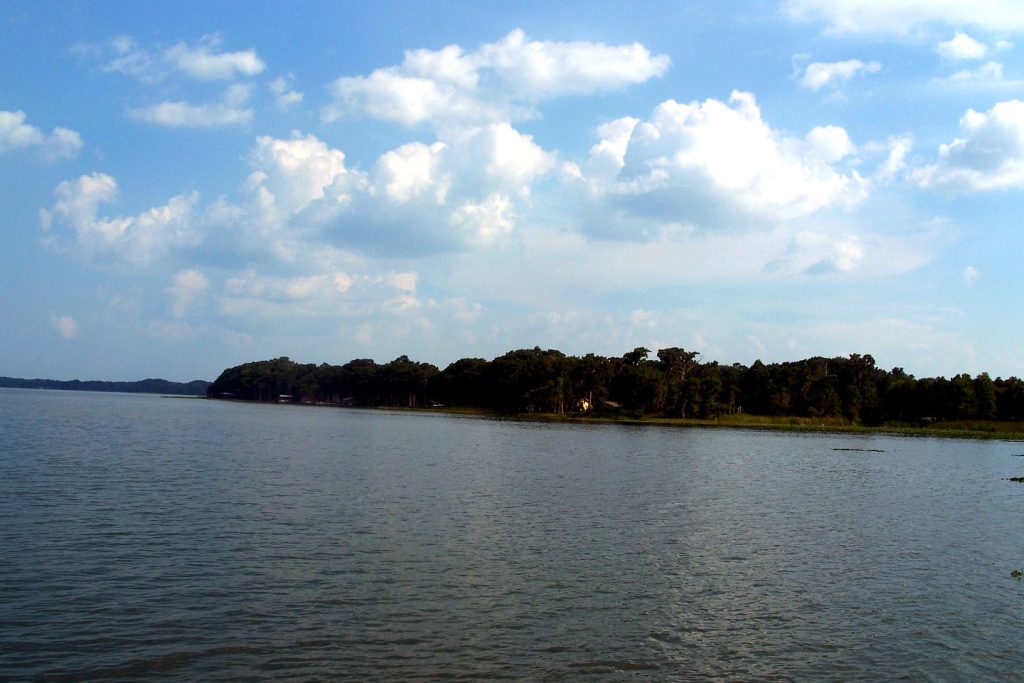
File photo: Lake Harris at Leesburg, in Lake County — not Lake Pearl. Photo: Ebyabe, CC BY-SA, via Wikimedia Commons; the paper’s photo grade applied. Featured image reused from the Citizen’s Lake County water coverage.
Orlando Citizen by email
The weekly edition, in your inbox
One email, every Saturday: the week’s edition of Orlando Citizen — the week’s stories, rankings and winners, gathered in one place. Free, and you can unsubscribe at any time.
Related Stories
 EnvironmentOsceola Prairie: 19,312 Acres in Osceola County Preserved From Development in $77.75 Million Easement
 EnvironmentMiddle St. Johns River Basin Plan: SJRWMD Adopts Restoration Framework for Lake Jesup, Lake Monroe and the Wekiva River
 Environment146 Cubic Feet Per Second: Metro Orlando’s Springs and Rivers by the Numbers
Editor’s Picks
Spotted an error? Tell us — corrections · How we rank
