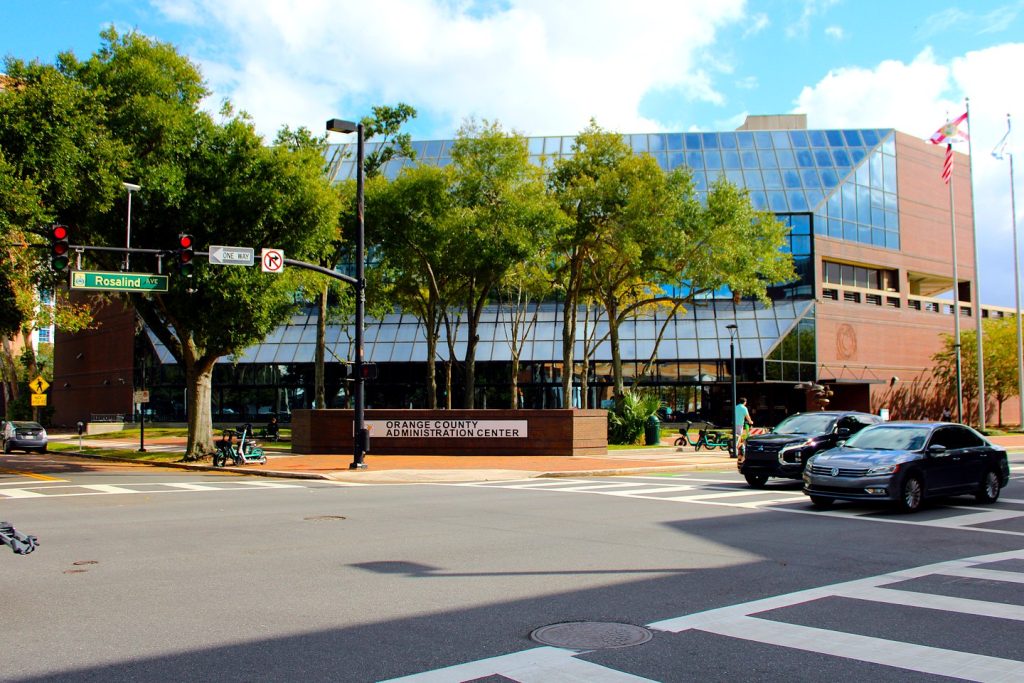
Orange County Data Center Moratorium: Test the Pause on the Street Where a Facility Would Land
Orange County should pause large data center filings only if it gives residents a public study plan with questions, deadlines and a report due at six months.
4 minute read
OPINION — From the Porch
When Justin Harvey, an Orlando resident, spoke during public comment before the Orange County commission, he put the prospect of a data center in terms of what a homeowner stood to lose. No one, he said, wants a facility in their backyard that lowers property values. From the porch, I hear a man asking what an undefined use might do to the one asset his family owns.
Start where it would land
What happens on the street where it lands? That is where this column starts. A grocery store brings a parking lot full of neighbours and a payroll the street can see. A data center brings different demands. In September, Commissioner Kelly Martinez Semrad told her colleagues that a facility over 50 megawatts could require up to 5 million gallons of water a day, on the scale of a small town’s water supply. She compared the noise at up to 100 decibels. County staff were directed to study the electric load, which nobody could yet state.
By the county’s own account in the draft ordinance, its land-use code does not specifically define a data center. On Tuesday, December 1, the outgoing commission will hear a proposed twelve-month moratorium at its last scheduled regular meeting. The draft leaves the effective date blank. The pause would apply only in unincorporated Orange County, leaving Orlando and the other cities to decide for themselves. It exempts facilities at or under 20 megawatts, repairs, life-safety work and vested rights. It also reaches applications already filed if final approval has yet to be issued. The county would be putting the largest filings on hold where it governs directly. That same afternoon, Lake County will hold its own hearing on whether to extend its suspension to June 2027. Both counties are still facing unanswered questions.
What my colleagues get right — and where I part from each
Clarence Howard is right to look at the blank effective date and the deadline the board can extend. I have sat through enough neighbourhood meetings to know how easily a temporary measure can linger when residents have no published date to hold the county to. Daniel Dyer is right about the cost of this region’s habit of approving first and regulating later. Semrad cited a projected water shortfall of 96 million gallons by 2045. No one at the September meeting offered figures that contradicted hers.
Howard would write the rules first and allow filings to proceed. Dyer would adopt the pause and trust the rules to follow. I would adopt it only if the county puts the work and the dates in public. Before the moratorium takes effect, publish the questions staff will address. Which zoning districts should allow data centers? What standard should govern the electric load? What water test and noise rule should apply? At six months, post a report where the ordinance was posted and say which rules have been drafted and which are still outstanding. The incoming board, which will be sworn in December 8 and will have nine members where seven sat, should decide any request for an extension on its merits. It will already be inheriting a pause it never voted on.
One small, checkable ask
Print the study plan with the ordinance. A single page can give residents the questions, the dates, the department responsible and the date the draft rules will return for a public hearing. The file already sits with Planning, Environmental, and Development Services, and its staff memo is dated October 28. If the county can produce that page, I will defend the pause on any porch in the county. By spring, residents will be able to see whether the county used the time to write the rules or simply put off the decision.
My colleagues make their cases in Howard’s ledger and Dyer’s fair-share case. The Citizen has covered the December 1 agenda and Lake County’s hearing, and the desk continues the debate daily at the Opinion hub. Bring the page on December 1.
Sources & notes
Every factual claim in this column was checked against: Orange County’s published Long Range Agenda for Tuesday, December 1, 2026 (item 16, Ordinance Public Hearings); the Clerk of the Board’s record for File 26-1371 and its attached draft ordinance (marked DRAFT, October 7, 2026), including the draft’s twelve-month duration, its 20-megawatt exception and its blank effective date; Central Florida Public Media’s September 15, 2026 report of the commission discussion at which the moratorium was set in motion, including the quotations used here; and the Citizen’s own coverage of the December 1 commission agenda and of Lake County’s December 1 moratorium hearing. This is an opinion column; the argument is the columnist’s, the facts are the record’s.
Orlando Citizen by email
The weekly edition, in your inbox
One email, every Saturday: the week’s edition of Orlando Citizen — the week’s stories, rankings and winners, gathered in one place. Free, and you can unsubscribe at any time.
Related Stories
 OpinionDisney World Maintenance Contract Vote in Orlando: Test the Next Offer on International Drive and at HomeOpinionDisney World Maintenance Contract Vote in Orlando: Publish the Wage Ledger Before the Next OfferOpinionDisney World Maintenance Workers Reject Contract 735 to 231 in Orlando: Wages Must Catch the Cost of Living
Editor’s Picks
Spotted an error? Tell us — corrections · How we rank