Duke Energy Florida Rates: Lower Electric Bills Approved for January 2027, With a $10 Cut to Follow in March
Newly approved 2027 rates for Duke Energy Florida will trim a typical household’s electric bill by about 95 cents in January, a modest prelude to the $10 seasonal cut arriving in March for the months when air conditioners strain Florida budgets.
4 minute read
Homeowners Insurance & Consumer · Florida
For a household that gets its electricity from Duke Energy Florida — in a state where air conditioners take a heavy toll on household budgets — the promise of lower rates in 2027 comes down to how a customer counts the savings. Measured against a year earlier, a typical residential bill in January 2027 will be $33 lower than it was in January 2026. Measured against December, however, that same bill will fall by about 95 cents. Both figures are Duke’s own, published in its November 3 announcement after the Florida Public Service Commission approved the utility’s request to lower rates in 2027. In the gap between those two numbers lies the real measure of what changes at the turn of the year: most of the $33 reduction was already put in place during 2026, leaving a modest step down in January before a larger cut arrives in March.
What was approved
Under the 2027 rate reduction cleared by the commission, residential customers using 1,000 kilowatt-hours of energy per month — the benchmark the company and regulators use for a typical home — will see rates fall by approximately $0.95 from December 2026 to January 2027. Compared with January 2026, that same benchmark bill will be $33 lower, a figure that folds in the rate reductions Duke already put in place over the course of 2026.
Businesses will see lower bills as well. Rates for commercial and industrial customers will decrease between 0.9% and 3.8% from December to January, though the company says the impact will vary depending on several factors.
The bigger cut arrives in March
January’s trim is only the opening step in the package. In March 2027, residential customers will receive an additional $10 decrease per 1,000 kWh. Duke describes that cut as temporary and seasonal, putting it into effect every year from March through November — the long stretch when energy use in Florida is often highest and air conditioners do their worst damage to household budgets.
Why the rates are falling
That 2027 bills are moving down rather than up turns in part on an increase that customers will not have to pay. Duke attributes the reduction partly to a tax strategy it recently implemented to avoid a base-rate increase that had been scheduled for 2027, clearing the way for the overall bill to fall instead of rise.
“Duke Energy Florida is committed to delivering real, tangible value for the essential service we provide,” said Melissa Seixas, Duke Energy Florida state president, in the company’s announcement. “In addition to lowering rates in 2027, we’ll continue working to strengthen our system and further improve the reliability we know our customers count on.”
Who this reaches — and who it does not
The commission’s approval reaches across a vast footprint — Duke Energy Florida supplies electricity to 2 million residential, commercial and industrial customers over a 13,000-square-mile service area in Florida, with 12,500 megawatts of generating capacity — yet stops at the company’s territory lines, covering Duke customers alone. Households served by Orlando’s municipal utility, OUC, remain on a separate rate track and await a decision of their own: on December 15, OUC’s board is scheduled to take up a proposed fuel-rate decrease that would save a typical Orlando home about $5 a month from April 2027 if approved, a proposal this desk reported when it was announced. Ratepayers at both utilities have already encountered changes in how their charges are structured this season: Duke customers saw their new billing structure arrive this fall in a different form as well, while OUC customers met theirs in November, when the DemandLevel charge of $5, $10 or $15 first appeared on Orlando bills.
More of this desk’s coverage is in the Homeowners Insurance & Consumer archive, and the full roster of Citizen beats is on the beats index.
Sources & notes
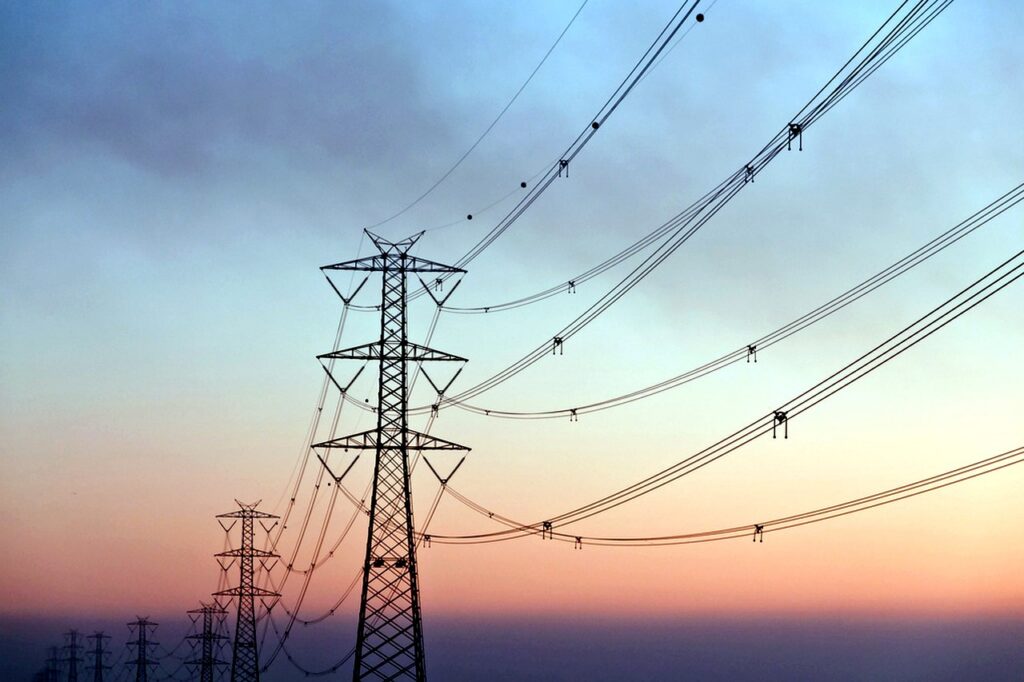
All rate figures, the customer count, the service-area description and the generating-capacity figure are from Duke Energy Florida’s official news release, “Duke Energy Florida customers to see lower rates in 2027,” dated November 3, 2026, read in full by this desk on November 17, 2026. The release states that the Florida Public Service Commission approved the company’s request to lower rates in 2027. The $33 figure is the company’s comparison of a typical January 2027 bill against January 2026; the $0.95 figure is the company’s stated December 2026-to-January 2027 change for the same 1,000 kWh benchmark, and this story keeps the two comparisons separate throughout. The OUC December 15 proposal and the November DemandLevel charge are from this desk’s prior reporting, linked above. Photo: transmission towers and lines at dusk (file photo) — kaibara87, CC BY, via Flickr/Openverse; treated to the Citizen’s magazine grade under the fidelity lock.
Orlando Citizen by email
The weekly edition, in your inbox
One email, every Saturday: the week’s edition of Orlando Citizen — the week’s stories, rankings and winners, gathered in one place. Free, and you can unsubscribe at any time.
Related Stories
 Homeowners Insurance & ConsumerCitizens Property Insurance: December 1 Changes Hit Short-Term Rentals, Flood Coverage and RentersHomeowners Insurance & ConsumerCitizens Property Insurance: 216,447 Policies in Force After an October Drop of 38,389
 Homeowners Insurance & ConsumerOUC Electric Bill Orlando: Proposed Fuel Rate Decrease Would Save About $5 a Month From April 2027
Editor’s Picks
Spotted an error? Tell us — corrections · How we rank