Immigration Appeals Shrink to 10 Days: Final Rule Makes Dismissal the Default From Dec. 17
Starting Dec. 17, most people ordered deported will have just 10 days to get an appeal to the Board of Immigration Appeals — and face automatic dismissal unless a majority of permanent members votes to hear the case.
5 minute read
WASHINGTON — When an immigration judge in Orlando orders someone removed from the country, the chance to fight on has long depended on a unforgiving piece of logistics: getting a one-page form, EOIR-26, physically into the hands of the Board of Immigration Appeals in Falls Church, Va., within 30 days — received there, not merely dropped in the mail. For decisions issued starting Dec. 17, that window closes to 10 days. And even when the paper arrives in time, a quieter shift awaits inside the building: unless the Board affirmatively votes to take up the case, the appeal will be dismissed without a ruling on the merits.
Together, those measures form the core of a final rule the Justice Department published in the Federal Register on Tuesday, Nov. 17, Appellate Procedures for the Board of Immigration Appeals (91 FR 73876), effective Dec. 17, 2026. The regulation finishes what the department started in February, watched a federal judge partly strike down in March, and has now rebuilt to survive scrutiny. Officials cast the overhaul as a necessary answer to an appellate backlog that has grown nearly ninefold over a decade, pointing in the rule to a pending Board docket that climbed from 35,837 cases in fiscal year 2017 to 325,774 in fiscal year 2026.
What the rule does
Three interlocking changes reshape how an appeal moves — or stalls:
- A 10-day deadline for most appeals. Under the amended regulation, 8 CFR §1003.38(b), a Notice of Appeal must reach the Board directly within 10 calendar days of an immigration judge’s decision, down from 30. Only one category keeps the 30-calendar-day clock: cases in which a judge has adjudicated an asylum application without denying it under the statutory bars specified in the rule (INA §208(a)(2)(A), (B) or (C)). The count begins when the judge states an oral decision or when a written decision is mailed or sent electronically, and a filing counts only upon receipt by the Board.
- Summary dismissal as the default. Once an appeal is filed, a single Board member is generally directed to summarily dismiss it within 15 days. To survive, the case must be referred for fuller review and win a vote from a majority of the Board’s permanent members, within 10 days of filing, to accept it.
- Merits review as the exception. In the ordinary case, appellate review of an immigration judge’s order becomes discretionary — a premise the Justice Department first advanced in February and reasserts in the final rule, maintaining that the Constitution guarantees no right to an administrative appeal before the Board.
The road here: a rule, a judge, and a second try
The department first tried to put the new timetable in place on Feb. 6, 2026, issuing an interim final rule (91 FR 5267) set to take effect March 9 without advance public comment. It never reached day one. On March 8, Judge Randolph D. Moss of the U.S. District Court for the District of Columbia granted partial summary judgment in Amica Center for Immigrant Rights v. EOIR, No. 1:26-cv-00696, vacating the 10-day deadline and related provisions after concluding that the government had mislabeled substantive changes as procedural to bypass notice and comment under the Administrative Procedure Act. Five days later, on March 13, the Executive Office for Immigration Review issued Policy Memorandum 26-02 confirming that the 30-day deadline remained intact. With the lawsuit paused, the department started over — this time soliciting public comment and drawing detailed objections from the American Immigration Lawyers Association, the Immigrant Legal Resource Center and UNHCR, which warned that a 10-day filing window paired with default dismissals would effectively foreclose review for respondents who frequently go without counsel.
Tuesday’s final rule emerges from that second effort. Its terms apply only going forward, governing immigration judge decisions issued on or after Dec. 17, 2026, while leaving earlier orders under the 30-day clock that has held since March.
What it means in Florida
Every removal appeal out of Florida’s immigration courts, including those in Orlando and Miami, funnels to the same Falls Church docket under the same 10-day count. Even for a person who already has an attorney at the counsel table, 10 calendar days leaves scant room for error; for someone in detention or still searching for a lawyer, the deadline can decide the case before any argument is written, because a late EOIR-26 ends the administrative appeal regardless of the claim beneath it. The rule arrives alongside the morning’s other major immigration filing: a proposed Labor Department overhaul of the PERM system that would stretch out the path to an employment-based green card — the Citizen’s report is here. Where that proposal reshapes how workers seek permission to stay, the Justice Department’s rule compresses the time left for someone ordered deported to ask for a second look.
What happens next
Until Dec. 17, 2026, the familiar 30-day deadline still governs every immigration judge’s decision. Whether the tighter regime takes hold on schedule may depend on the courthouse where its predecessor fell: the paused Amica case stands ready as the plainest forum for a fresh challenge to the final rule. Nothing in Tuesday’s regulation orders any one person deported — it decides instead how rarely the Board will step in to review the judges who do.
More from the National desk and the National archive.
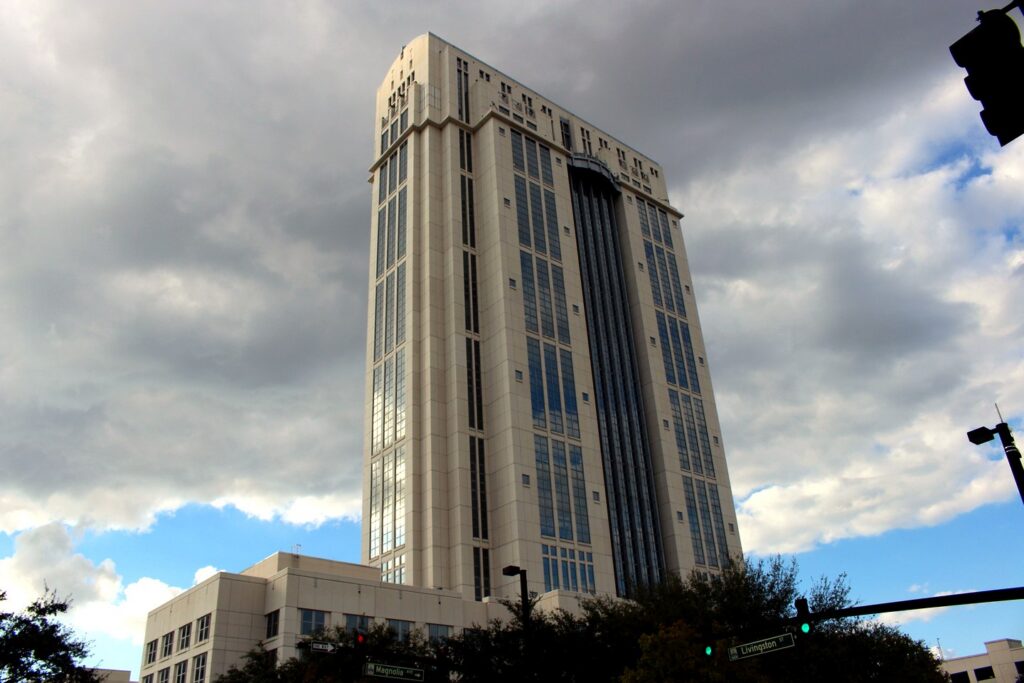
Sources & notes: Final rule, Executive Office for Immigration Review, U.S. Department of Justice, “Appellate Procedures for the Board of Immigration Appeals,” Federal Register, Nov. 17, 2026 (91 FR 73876), effective Dec. 17, 2026; the amended deadline text is at 8 CFR §1003.38(b) (10 calendar days generally; 30 days for the asylum adjudications the paragraph specifies; deadline runs from the oral decision or the mailing/electronic notification of a written decision). The summary-dismissal mechanics (single-member dismissal within 15 days; majority vote of permanent members within 10 days to accept) and the department’s pending-caseload figures (35,837 in FY2017; 325,774 in FY2026) are from the rule as published, per the rule text and contemporaneous analyses of it by immigration practitioners (Plesa Immigration Law; Immigration Law Insider, both Nov. 17, 2026). The February interim rule (91 FR 5267), the March 8, 2026 Amica judgment and EOIR Policy Memorandum 26-02 are as documented in the ILRC’s June 2026 practice advisory and the New York City Bar Association’s Oct. 6, 2026 explainer. The filing-fee figure is omitted: current sources conflict ($1,030 vs. $1,060). Photo: Orange County Courthouse, Orlando. Photo: Michael Rivera (Mjrmtg), CC BY-SA 4.0, via Wikimedia Commons.
Orlando Citizen by email
The weekly edition, in your inbox
One email, every Saturday: the week’s edition of Orlando Citizen — the week’s stories, rankings and winners, gathered in one place. Free, and you can unsubscribe at any time.
Related Stories


Editor’s Picks
Spotted an error? Tell us — corrections · How we rank