Green Card Sponsors Would Have to Advertise Jobs for 90 Days — and Nurses Lose Their Shortcut
For more than three decades, hospitals recruiting nurses and physical therapists from abroad could bypass a lengthy labor-market test for green cards — an exemption the Labor Department moved on Nov. 17 to end in favor of 90 days of electronic recruitment.
4 minute read
WASHINGTON — For an internationally educated nurse or physical therapist recruited by a Florida hospital, the path to a green card has for more than three decades bypassed one of immigration law’s longest hurdles: the help-wanted ad. Because federal rules treated professional nurses and physical therapists as occupations the country was simply short of, a hospital that found a qualified nurse abroad could sponsor that worker for permanent residence directly, without first spending months trying to prove that no qualified American worker wanted the job.
On Tuesday, Nov. 17, the U.S. Department of Labor moved to close that fast lane, known as Schedule A. In a proposed rule published in the Federal Register, the department laid out plans to overhaul the labor-market test at the heart of the PERM program — the certification most employers must secure before sponsoring a worker for an employment-based green card — replacing print classifieds with a single, longer, entirely electronic recruitment process, while barring certain employers that have recently laid off American workers from filing at all.
What PERM is, and what the proposal does
At stake is how employers satisfy a core mandate of the Immigration and Nationality Act. Before most workers in the EB-2 and EB-3 green-card categories can be sponsored, the Secretary of Labor must certify two things: that there are not sufficient U.S. workers who are able, willing, qualified and available for the job, and that hiring the sponsored worker will not adversely affect the wages and working conditions of similarly employed U.S. workers. Employers make that case through PERM, the Permanent Labor Certification program.
Titled “Modernizing the Labor Market Test and Improving Protections for U.S. Workers in the PERM Immigrant Visa Program” (Federal Register document 2026-23370, 91 FR 73916; Labor Department docket ETA-2026-0133, RIN 1205-AC29), the department’s proposal would reshape those rules across five fronts:
- End Schedule A. Professional nurses and physical therapists (Group I), who have been Schedule A’s core occupations since the early 1990s, along with workers of exceptional ability in the sciences, arts and performing arts (Group II), would lose their shortcut and undergo the same individual labor-market test as everyone else.
- Require at least 90 calendar days of recruitment — or the employer’s own customary, longer recruitment period — including the job order placed with the state workforce agency.
- Replace newspaper advertising with electronic recruitment conducted through employer websites, job-search sites, social media, job fairs and campus recruiting, retiring a print-ad mandate that the department says no longer reflects how hiring happens.
- Bar filings after layoffs. Any employer that laid off U.S. workers in the same or a similar occupation within the previous two years would be barred from obtaining a certification for that job.
- Expand notice and documentation duties, requiring broader notice of filing to U.S. workers and fuller supporting evidence submitted with the application itself.
The scale, in the department’s own numbers
The reach of the overhaul appears in the Federal Register text itself. Drawing on U.S. Citizenship and Immigration Services records for fiscal years 2023–2025, the department counted an average of 108,786 certified PERM applications a year — alongside an average of 23,835 Schedule A applications a year that would lose their exemption if the rule takes effect. Even as recruitment stretches longer, the department estimates the package would yield net savings of about $164 million a year over ten years, driven largely by the end of mandatory newspaper advertising.
In Florida, no piece of the proposal cuts closer than the end of Schedule A. The state’s hospitals and health systems are among the employers that sponsor internationally educated nurses and therapists; under the proposed rule, every one of those sponsorships would have to start not with a direct filing, but with at least 90 days of public recruitment.
What this is — and is not
For now, nothing in the hiring pipeline changes: the Nov. 17 filing is a proposed rule, not a change in law, and existing PERM regulations — Schedule A included — remain in force while the department gathers public reaction. Written comments are due Jan. 19, 2027, through regulations.gov under docket ETA-2026-0133. Only after that window closes can the Labor Department issue a final rule with its own effective date, and whether nurses and hospitals keep their three-decade shortcut may depend on how — or whether — the department revises the proposal in response to the comments it receives.
More from the National desk and the National archive.
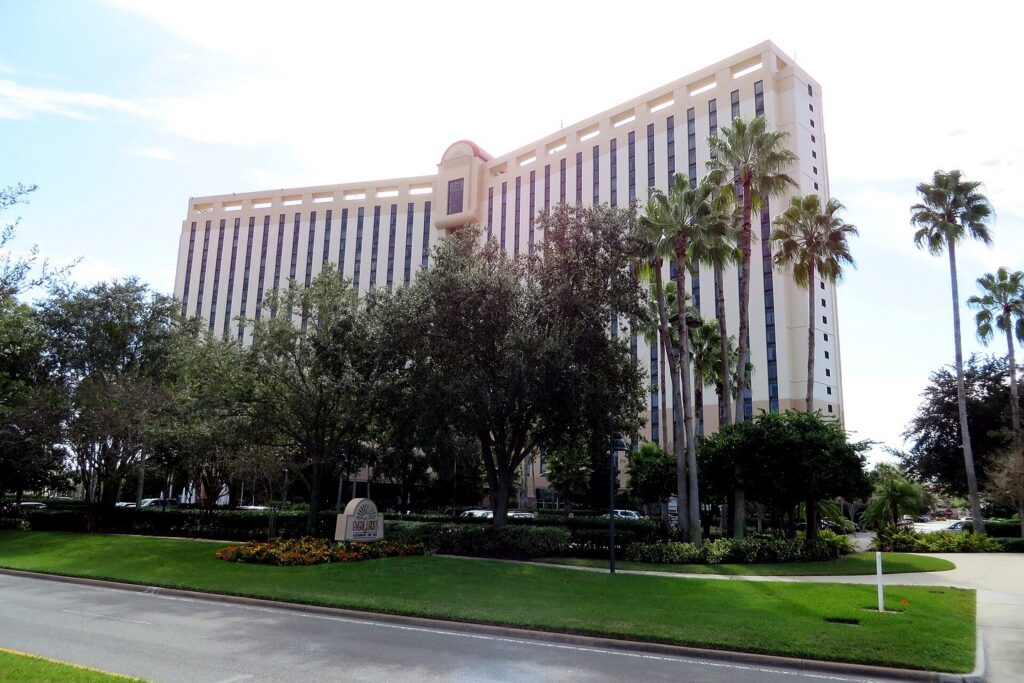
Sources & notes: Proposed rule text, U.S. Department of Labor, Employment and Training Administration, Federal Register, Nov. 17, 2026 (FR Doc. 2026-23370, 91 FR 73916), including its statutory summary of INA §212(a)(5)(A) and its FY2023–2025 filing averages drawn from USCIS records; the $164 million annual savings figure is the department’s estimate as stated in its proposal materials. The Jan. 19, 2027 comment deadline is the date published with the document. Photo: The Rosen Centre Hotel on International Drive, Orlando — a workplace photograph from the Citizen’s jobs coverage, by Leonard J. DeFrancisci, CC BY-SA 3.0, via Wikimedia Commons (site photography reused via the pipeline donor record).
Orlando Citizen by email
The weekly edition, in your inbox
One email, every Saturday: the week’s edition of Orlando Citizen — the week’s stories, rankings and winners, gathered in one place. Free, and you can unsubscribe at any time.
Related Stories


Editor’s Picks
Spotted an error? Tell us — corrections · How we rank