FEMA Aid Opens for Six Florida Counties: The Nov. 9 Flood Request Is Granted as DR-4956
After a three-week wait, FEMA's Nov. 24 declaration, DR-4956, opens Individual Assistance in Brevard, Indian River, Martin, Okeechobee, Palm Beach and St. Lucie counties, while leaving households in other counties under the state emergency without a federal application to file.
4 minute read
TALLAHASSEE — In Palm Bay, the folding tables are still out. For three weeks, flood survivors have carried their paperwork and their questions to the Multi-Agency Resource Centers and heard the same answer: the state can help you clean out, but the federal household aid you are asking about does not exist until the President signs a declaration. On Tuesday, Nov. 24, he signed it.
The Federal Emergency Management Agency announced that federal disaster assistance is available to Florida for the severe storms and flooding that began Oct. 31, 2026, and are listed as continuing — the declaration Florida requested on Nov. 9 and that this desk has tracked since. Logged as FEMA-4956-DR in the federal disaster database, the order opens Individual Assistance to households in six counties and Public Assistance for debris removal and emergency protective measures in a different six.
Two county lists, and they are not the same
The two lists overlap, but they do not match. Individual Assistance — the household side of a declaration, covering grants for temporary housing and home repairs, low-cost loans for uninsured property losses and other recovery programs — is open in Brevard, Indian River, Martin, Okeechobee, Palm Beach and St. Lucie counties, according to FEMA’s release (HQ-26-180, Nov. 24, 2026). Public Assistance — federal funding, on a cost-sharing basis, to state, tribal and eligible local governments and certain private nonprofits for debris removal and emergency protective measures — extends to Brevard, Hardee, Indian River, Martin, Okeechobee and Palm Beach counties. The split leaves a stark geography of eligibility: St. Lucie makes the household list but not the government list; Hardee makes the government list but not the household list; and Brevard, where the flooding hit hardest, appears on both.
For survivors ready to apply, FEMA sets a procedural order that matters: file a claim with your insurance provider first, then apply to the agency — online at DisasterAssistance.gov, by calling 1-800-621-3362, or through the FEMA App. Brett H. Howard has been named the Federal Coordinating Officer for the recovery operations. FEMA also states that additional designations may be made later if warranted by the results of damage assessments, a line that leaves the door open for counties — including the later-flooded ones — that are off both lists today.
The wait that preceded the signature
The signature closes a three-week wait that has shaped this desk’s flood coverage. The state of emergency came first, on Nov. 2, under Executive Order 26-227, and was widened three times until it covered 23 counties. Florida requested an expedited major disaster declaration on Nov. 9. In the days that followed, the resource centers opened, served more than 1,600 visitors by the governor’s Nov. 23 count and began closing — the last of them shutting down on Nov. 24, the very day the declaration was signed. By then, as this desk reported Monday, the governor had already announced that Florida was submitting an additional request for the flooding that followed the first storm. And while FEMA separately awarded nearly $400 million for older Florida disasters, as reported by this desk on Nov. 24, that money was explicitly not this money; DR-4956 is.
What the declaration does not settle
Even with the declaration signed, two questions remain open on the record. The first is the second request: the governor’s office said Monday that Florida is submitting an additional Major Disaster Declaration request for the later flooding, and Rep. Mike Haridopolos’s stated position, reported by The Palm Bayer, is that this approval covers the early-November storm while the state collects damage data for a second request covering the mid-November flooding. No second declaration has been issued on the record this desk has read. The second question is scope. The incident period is stated as beginning Oct. 31 and continuing, and FEMA’s own release contemplates additional county designations after further assessments. For households outside the six Individual Assistance counties — in Seminole, Volusia, Broward and the other counties under the state emergency — there is still no federal household application to file under this declaration today. The resource centers’ closing schedule is in this desk’s earlier coverage.
More from the State desk and the State archive.
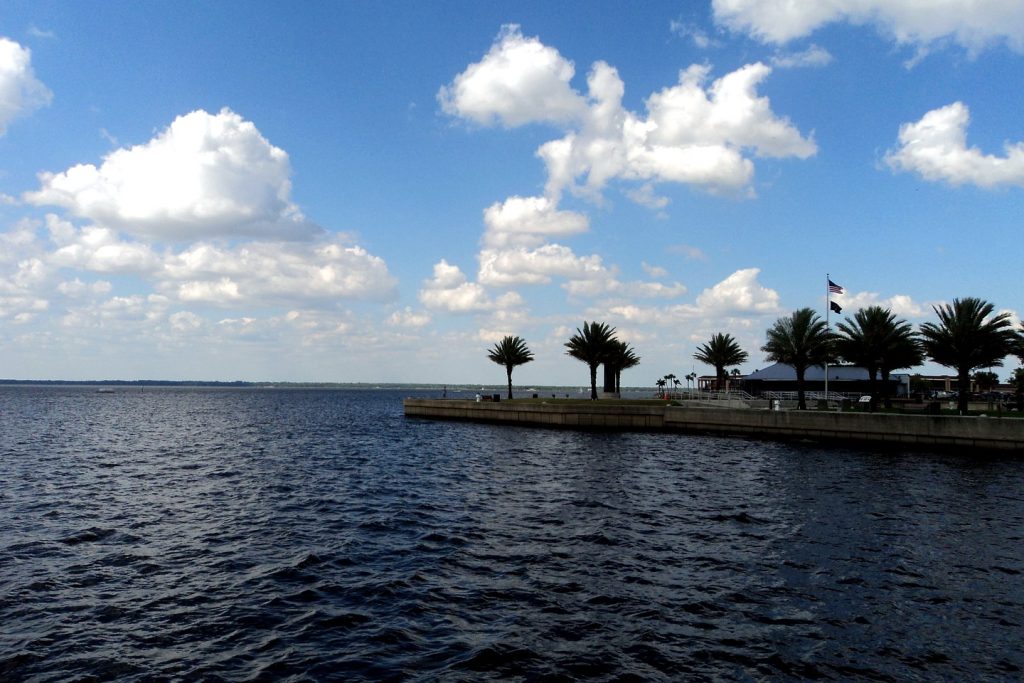
Sources & notes: FEMA News Release HQ-26-180, “President Donald J. Trump Approves Major Disaster Declaration for Florida,” Nov. 24, 2026 (read in full this run as published): incident period “severe storms and flooding from October 31, 2026 and continuing”; Individual Assistance counties Brevard, Indian River, Martin, Okeechobee, Palm Beach and St. Lucie; assistance described as grants for temporary housing and home repairs, low-cost loans to cover uninsured property losses and other programs; application order (insurance claim first) and channels (DisasterAssistance.gov, 1-800-621-3362, FEMA App); Public Assistance on a cost-sharing basis for debris removal and emergency protective measures in Brevard, Hardee, Indian River, Martin, Okeechobee and Palm Beach counties; Brett H. Howard named Federal Coordinating Officer; additional designations possible after damage assessments. The declaration number FEMA-4956-DR is as listed in the federal disaster database, whose update to include DR-4956 was noted by The Palm Bayer on Nov. 25; FEMA’s own disaster page for 4956 had not yet posted when that report was published, and this story therefore rests on the agency’s release text. The Nov. 2 state emergency (EO 26-227), its widening to 23 counties, the Nov. 9 request, the resource centers’ service count and closing, and the governor’s Nov. 23 statement of an additional request are as established in this desk’s coverage linked above. Rep. Haridopolos’s position on the second request is attributed to The Palm Bayer’s reporting, not asserted from a primary record. Photo: Orlando Citizen file photograph, first published with the Citizen’s fall-flooding resource-center coverage.
Orlando Citizen by email
The weekly edition, in your inbox
One email, every Saturday: the week’s edition of Orlando Citizen — the week’s stories, rankings and winners, gathered in one place. Free, and you can unsubscribe at any time.
Related Stories
Editor’s Picks
Spotted an error? Tell us — corrections · How we rank