Importers Get 45 More Days: Customs Extends Supply-Chain Disclosure Comments to Jan. 15
U.S. Customs and Border Protection has given importers, brokers and carriers 45 more days — until January 15, 2027 — to answer 64 questions on possible supply-chain disclosure requirements before the agency decides whether to draft a rule.
4 minute read
WASHINGTON —
For a customs broker or a small importer in Florida this morning, Tuesday, December 1, had quietly become an impossible deadline. By then, the federal government wanted detailed, data-backed answers — 64 questions’ worth — on how their supply chains actually work, what foreign paperwork they could obtain and what it would cost. Today, that deadline moved.
In a notice published in the Federal Register today, November 27, 2026 (FR Doc. 2026-24149, 91 FR 76652), U.S. Customs and Border Protection extended the comment period on its advance notice of proposed rulemaking, “Heightened Import Disclosures for Supply Chain Visibility,” by 45 days. Comments under Docket No. USCBP-2026-1058, originally due on or before December 1, 2026, are now due on or before January 15, 2027. The Register’s summary states the agency’s aim plainly: to allow as much public participation as possible in the formulation of a notice of proposed rulemaking.
An extension, not a rule
The procedural boundary matters. Nothing in today’s notice imposes a new filing, fee or disclosure on anyone. The underlying document, published September 2, 2026 (91 FR 56408, FR Doc. 2026-17926), is an advance notice of proposed rulemaking — the stage at which an agency asks questions before it drafts a proposed rule. CBP has not proposed regulatory text. It has asked the trade community how possible requirements would work, and today’s extension gives that community more time to answer, particularly with the data and cost information the agency requested.
What CBP is considering, however, spans the paperwork and tracking behind imported goods. In its announcement of the September notice, the agency outlined a set of possible requirements to strengthen visibility into imports: identifying the key parties in the importation process, improving business identifiers, collecting or retaining foreign export documentation — the paperwork a foreign exporter filed with its own customs authority before shipping — and using supply-chain tracing technologies. The advance notice implements Executive Order 14411, “Strengthening Customs Enforcement,” according to CBP.
In announcing the September notice, CBP Commissioner Rodney S. Scott cast the effort in national-security terms. “Border security is national security. Knowing what is coming into this country is vital to our national security,” he said. “By strengthening visibility into the supply chains behind goods entering the United States, CBP can better identify high-risk shipments, stop illicit trade, and ensure that American businesses are not undercut by those who evade our customs laws.”
Who this reaches, and the Florida stake
The comment docket takes in the breadth of the import economy — importers of record, customs brokers, carriers and other interested parties, including small businesses, in the words of the extension notice. In Florida, the stakes are straightforward: the state’s ports and its import-dependent retailers, builders and grocers sit downstream of whatever disclosure system CBP eventually proposes. The questions the agency is asking — whether an importer can obtain and authenticate a foreign exporter’s home-country filings, and at what cost — are ones a small Florida importer is just as well placed to answer from experience as a national carrier. That is the practical point of the extra 45 days. Answers grounded in real entry records carry weight that general objections do not, and the agency has said it wants the data.
Comments go through the Federal eRulemaking Portal at regulations.gov under Docket No. USCBP-2026-1058, with a caveat worth heeding before attaching proprietary documents: as the extension notice states, submissions will be posted without change, including any personal information provided. Questions on the identification of parties and on foreign export documentation may be directed to the Office of Trade officials named in the Register notice, Brandon Lord and Salvatore Ingrassia, at (202) 325-4369 or [email protected]. The extension document is signed by Susan S. Thomas, Executive Assistant Commissioner of the Office of Trade, who said in the agency’s September announcement: “By seeking public comment, CBP is working to strengthen enforcement of U.S. customs and trade laws, while promoting a more secure and transparent global trade environment.”
What happens next
After January 15, 2027, the next move belongs to CBP, which will decide what, if anything, to propose. Only then would a notice of proposed rulemaking follow — bringing actual regulatory text, a further comment period and an effective-date structure, none of which exists today. Importers who meant to comment by December 1 now have until mid-January; those who had decided the exercise was not worth the effort have a fresh reminder that the agency widened the window because it wants the cost and feasibility evidence only filers hold. Whether enough of them weigh in before mid-January remains an open question, and the deadline that moved today is the last easy point of entry into a rulemaking that could, in time, change what every shipment entering a Florida port must carry with it on paper.
More from the National desk and the National archive: related Citizen coverage includes Green Card Sponsors Would Have to Advertise Jobs for 90 Days, another federal rulemaking in its comment stage.
Sources & notes
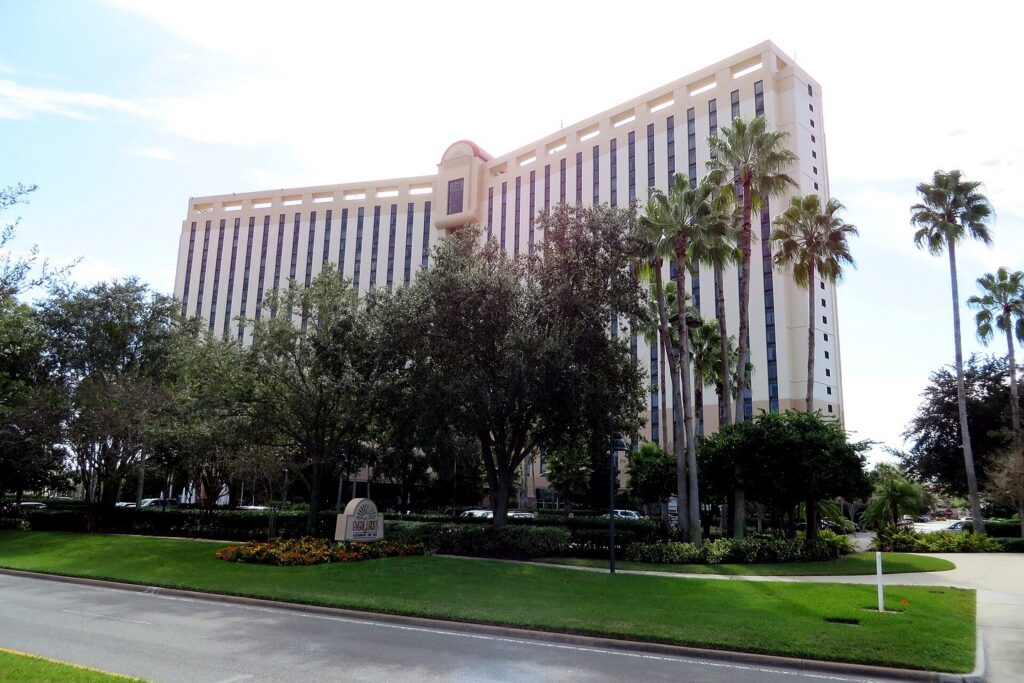
U.S. Customs and Border Protection, “Heightened Import Disclosures for Supply Chain Visibility; Extension of Comment Period,” Federal Register, November 27, 2026 (FR Doc. 2026-24149, 91 FR 76652; Docket No. USCBP-2026-1058; RIN 1685-AA47; 19 CFR Parts 141, 142, 143 and 163) — extension of 45 days, new deadline January 15, 2027, submission route, posting-without-change term, contacts and signatory as published in the notice and its official abstract, read this run. Underlying advance notice: CBP, “Heightened Import Disclosures for Supply Chain Visibility,” Federal Register, September 2, 2026 (91 FR 56408, FR Doc. 2026-17926), and CBP’s official announcement of that notice (possible requirement areas; Executive Order 14411; Commissioner Scott’s and Executive Assistant Commissioner Thomas’s quoted statements; original December 1, 2026 deadline) — read in full this run. This is an advance-notice comment extension only; no proposed or final rule text exists, and the story asserts none. Photo credit: Rosen Centre, Orlando — DeFrancisci, CC BY-SA 3.0, reused from the Citizen’s site photography under the pipeline donor record.
Orlando Citizen by email
The weekly edition, in your inbox
One email, every Saturday: the week’s edition of Orlando Citizen — the week’s stories, rankings and winners, gathered in one place. Free, and you can unsubscribe at any time.
Related Stories

Editor’s Picks
Spotted an error? Tell us — corrections · How we rank