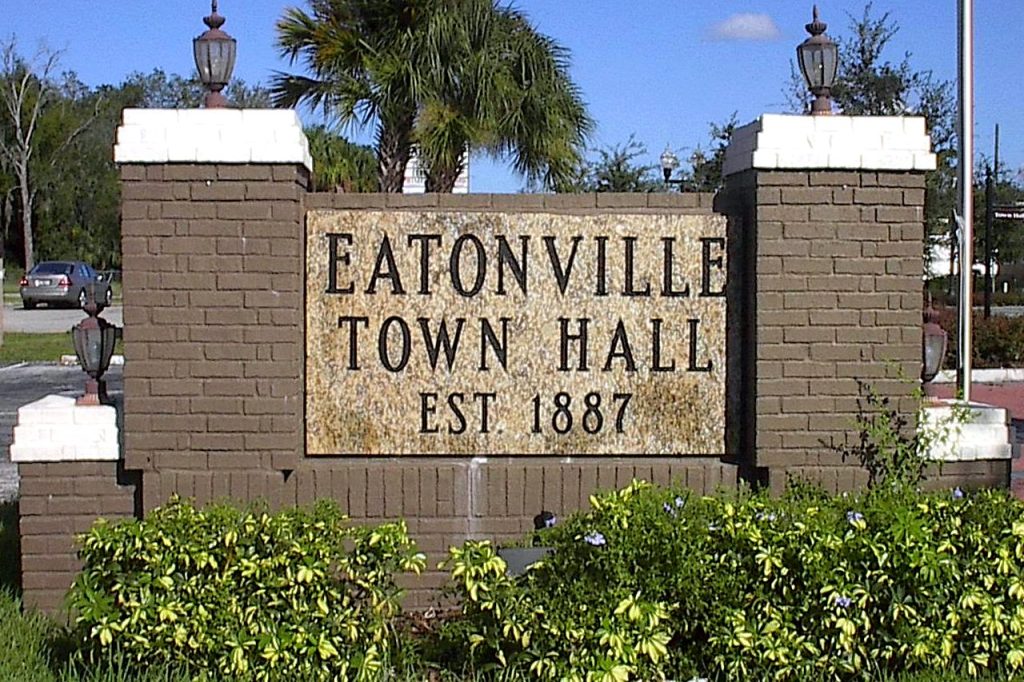
Eatonville’s Hungerford Prep: The School That Eatonville Built for Itself
Professor and Mrs. Russell C. Calhoun started Hungerford with a handful of students in 1897, and the school grew to serve generations of Eatonville children before a 2009 vote closed it and left the campus’s fate in dispute.
3 minute read
News · Eatonville
EATONVILLE — When Professor and Mrs. Russell C. Calhoun started a school in Eatonville, they had a handful of students. The town, founded by freed people and their children, had incorporated on August 15, 1887, becoming the first self-governing all-Black town in the United States. A decade later, it built the school that would come to define it. With donated land and money from Winter Park, Tuskegee and eventually a manufacturer in Troy, New York, Hungerford grew into a school that educated Eatonville’s children and took in boarders from across the South. It lasted more than a century. The Eatonville hub carries the town’s present-day coverage.
The facts up top: The Calhouns founded the Robert Hungerford Normal and Industrial School in 1897. Russell Calhoun had graduated from Tuskegee Institute, and the school followed Tuskegee’s model. In the spring of 1898, E. C. Hungerford gave the school 160 acres in memory of his son Robert, a doctor who had died of yellow fever. The school became an Orange County public school in 1950 and closed after a school board vote in 2009.
Built from gifts, in order
Miss Mary Brown of Winter Park made the first cash donation. The second, $400, came through Booker T. Washington of Tuskegee. The school’s first building was named Booker T. Washington Hall. George B. Cluett, a manufacturer in Troy, New York, then gave $8,000 toward a second building. A town barely a decade old was raising the money for a boarding school from donors around the country.
What the school became
By 1927, more than 100 pupils boarded at Hungerford. Others came for the day, and adults took classes at night. The private school taught grades 6 through 12 and had dormitories for girls and boys, a dining hall, a library, a chapel, workshops and farmland. Students learned Latin and algebra alongside carpentry, agriculture and bookkeeping. In 1938, Orange County began arranging for Black high-school students from Winter Park to attend Hungerford. They rode the bus each day. In 1950, Orange County Public Schools took over, and the original campus buildings were replaced.
The close, and what remains open
By 2009, enrollment was low and operating costs were high. The school board voted to close Hungerford, a decision reported at the time as saving $1.2 million. The campus’s fate has been disputed ever since. The dispute goes back to the land and buildings given to educate Eatonville’s children, and to the place the school held in the town’s sense of itself. The Citizen’s recent coverage of what the tourist-tax award builds in Eatonville and the award itself returns to a question that outlasted Hungerford. What does Eatonville build for itself, and who decides?
Sources & notes: Robert Hungerford Preparatory High School history (Wikipedia, drawing on the school’s published history): founded 1897 by Russell C. and Mrs. Calhoun; spring 1898 land donation of 160 acres by E. C. Hungerford in memory of his son Robert; first cash donation by Mary Brown of Winter Park, second $400 through Booker T. Washington; George B. Cluett’s $8,000; by 1927 more than 100 boarding pupils; grades 6–12 private boarding school; 1938 Winter Park arrangement; public in 1950. Closure detail (2009 board vote, $1.2 million saving) from Abandoned Florida’s school history, checked November 20, 2026. Eatonville’s incorporation (August 15, 1887) as stated in both sources. Some secondary accounts date the school’s founding to 1889; this story follows the 1897 date given in the school’s own published history as carried by Wikipedia, and flags the discrepancy rather than hiding it. Photo: file image via the Citizen’s Eatonville coverage.
Orlando Citizen by email
The weekly edition, in your inbox
One email, every Saturday: the week’s edition of Orlando Citizen — the week’s stories, rankings and winners, gathered in one place. Free, and you can unsubscribe at any time.
Related Stories


Editor’s Picks
Spotted an error? Tell us — corrections · How we rank
