Sanford’s Celery City Revival: Downtown’s Second Act
After a freeze destroyed Central Florida's citrus crop, Sanford growers turned to celery, a crop whose legacy is still visible on the signs of a revived downtown.
3 minute read
Sanford · Celery City
SANFORD — After freezing temperatures destroyed Central Florida’s entire citrus crop in the winter of 1894–95, growers around Lake Monroe had to decide what else they could raise. In 1896, celery went into the black muck south of town. It was a crop that seemed ill suited to Florida’s heat, but within a decade Sanford had become one of the largest vegetable-shipping centers in the United States. It had also acquired a name that stuck, the Celery City.
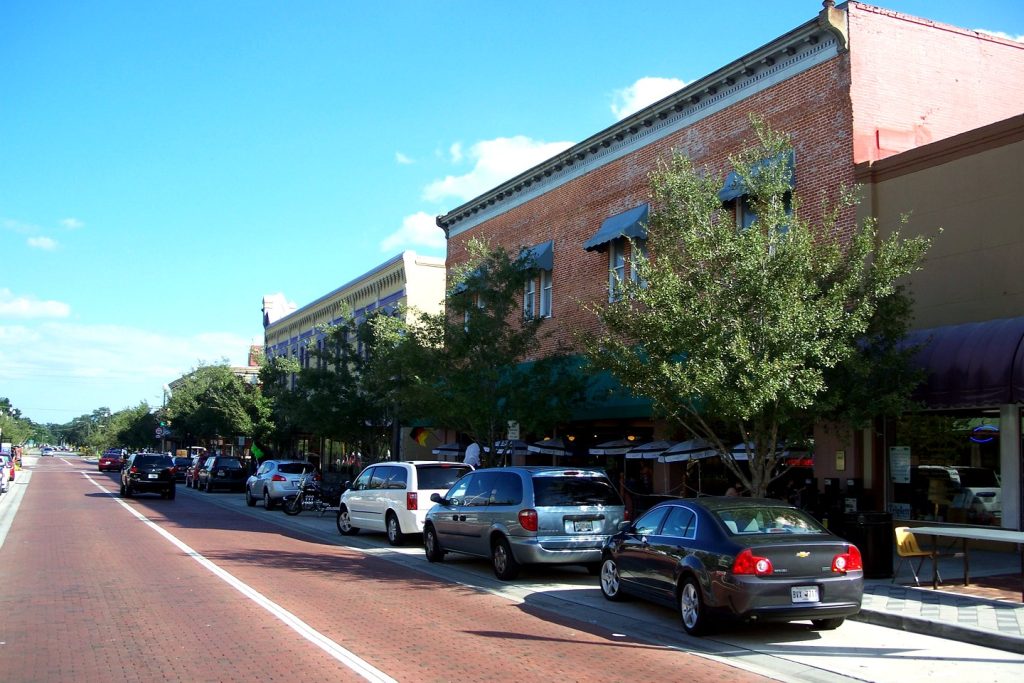
On the brick blocks of First Street, there is craft beer for sale under celery signs. Along the riverfront, the district draws on its past as a working town. The nickname Sanford earned from the crop it turned to after the freeze has become the brand of its downtown revival in the 2020s.
The fact block
- The ground — Sanford sits on the south shore of Lake Monroe at the head of navigation on the St. Johns River. Henry Shelton Sanford bought the land west of Mellonville in 1870 and planned “the Gate City of South Florida”. The city incorporated in 1877.
- The freeze — In the winter of 1894–95, freezing temperatures destroyed the year’s entire citrus crop, according to the City of Sanford history.
- The crop — I. H. Terwilliger is believed to have planted the first celery grown in Sanford in 1896. J. N. and B. F. Whitner planted three-quarters of an acre in 1897 from seed brought from Kalamazoo, Michigan. Chase & Company converted to celery, and by 1898 the crop was synonymous with Sanford, according to UCF’s RICHES archive, which cites the city’s history.
- The name — By the first decade of the 20th century, Sanford was one of the largest vegetable shipping centers in the United States and had received the nickname “Celery City” for its most successful crop, according to the City of Sanford.
- The seat — Seminole County was established on April 25, 1913, with Sanford as its county seat.
From muck to main street
Workers cut celery by hand in the Florida heat. The crop had to be iced and sent north by rail before it wilted. Shipping came to define Sanford, from the wharves on the lake to the rail yards behind them and the commercial district built to serve both. The Sanford Naval Air Station, which arrived in 1942 and stayed until 1968, drew residents away from agriculture and brought new people to town, according to the city’s history. The celery era passed into the museum record. The name stayed in use.
The second act trades on the first
A block from First Street, Celery City Craft has more than 50 taps behind a 34-foot bar. The business, at 114 S. Palmetto Ave., describes itself as a tribute to Sanford. “Sanford is known as the Celery City because of the large amount of celery farming the town once had, by outfits like Chase & Co.” The district’s own guide points visitors to brick-lined streets, award-winning restaurants, craft breweries and a working marina on the lake. The Citizen’s First Street record follows the blocks building by building, and its RiverWalk record covers the lakefront that the celery trains once served.
The river, this week
This week, the St. Johns River stands at record flood on the Cocoa gauge. The Citizen’s Thursday resident update explains what the levels mean for Sanford, Geneva and the river roads, drawing on National Weather Service products that the Weather desk has verified. The people who made Sanford the Celery City chose to farm a floodplain, relying on pumps to work the ground and ice to get the crop to market. This week, the downtown that still uses their name is watching the river.
The Sanford hub carries the city’s full record.
Photo: Downtown Sanford. Photo: Ebyabe, CC BY-SA 3.0, via Wikimedia Commons (file photograph, via the Citizen’s Sanford coverage).
Sources & notes
Founding, Gate City plan, incorporation, the 1894–95 freeze, the Celery City nickname and shipping-centre status, the 1913 county seat and the 1942–1968 Naval Air Station: the City of Sanford’s official history (sanfordfl.gov), checked Nov. 19, 2026. First plantings (Terwilliger 1896; the Whitners’ 1897 Kalamazoo seed; Chase & Company’s conversion; celery synonymous by 1898): the RICHES archive of the University of Central Florida, citing the City of Sanford’s history. Celery City Craft’s address, format and self-description: the business’s own published description. District characterisation: Historic Downtown Sanford’s own guide. River conditions: the Citizen’s Weather-desk-verified flood coverage, linked above — no river figure is asserted in this article. Photo credit is carried with the featured image.
Orlando Citizen by email
The weekly edition, in your inbox
One email, every Saturday: the week’s edition of Orlando Citizen — the week’s stories, rankings and winners, gathered in one place. Free, and you can unsubscribe at any time.
Related Stories
Editor’s Picks
Spotted an error? Tell us — corrections · How we rank