In Search of the Oviedo Chickens: A Walking Tour of Historic Downtown
They stop traffic, they star on the welcome signs, and nobody owns them. A slow walk through historic downtown Oviedo — chickens, packing houses and all.
3 minute read
Start with the honest disclaimer every Oviedo local will give you: the chickens do not perform on cue. The free-roaming flock that wanders historic downtown Oviedo is exactly that — free-roaming — and a chicken walk is a walk first, with birds as the bonus. That said, your odds are good. The flock has been downtown’s unofficial population for decades, traffic famously pauses when birds cross the road, and a rooster is painted on the welcome signs on roads into town. Lace up, start at Broadway and Central, and use our Oviedo hub and the Orlando Top Spots Map to orient.
The origin story (as Oviedo tells it)
The best-documented version, preserved by UCF’s RICHES oral-history project, goes like this: settlers brought chickens to Solary’s Wharf on Lake Jesup as early as the 1870s, but the modern downtown flock traces to around 1994, when a lone hen appeared on Geneva Drive, was fed by locals, and turned up weeks later followed by 13 chicks; a rooster completed the picture. There are, researchers note, no specific laws for or against the chickens — though city ordinances designate Oviedo a bird sanctuary, which protects birds generally. The flock, commonly estimated in the dozens over the years, has since become the town’s mascot in feathers.
The walk itself
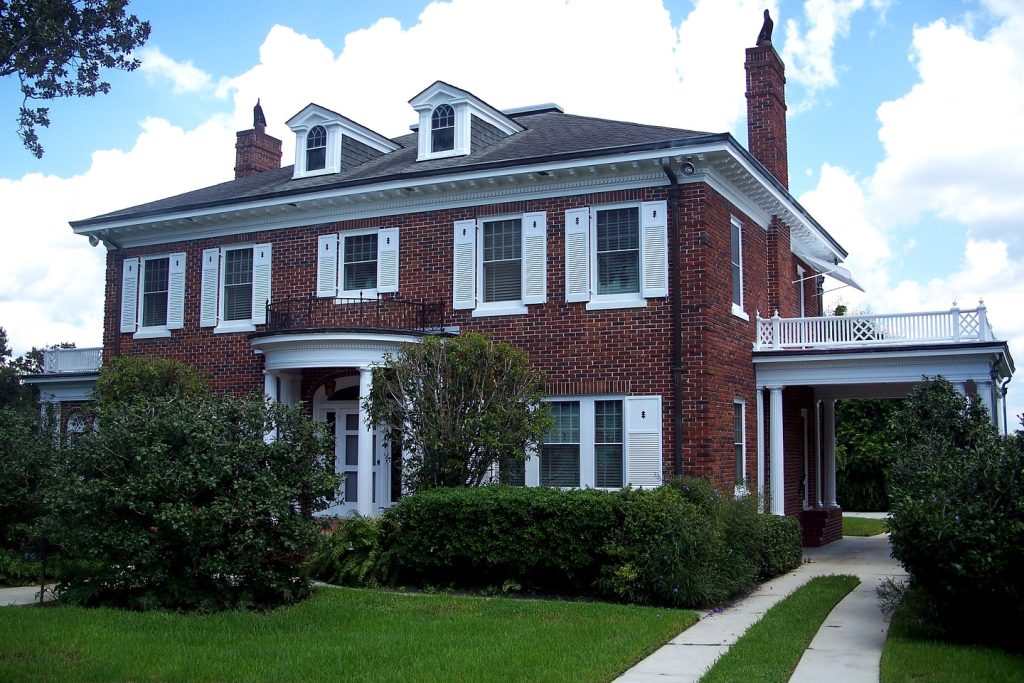
Make a loop of the historic core. The buildings reward attention: most of downtown’s historic stock dates from the end of the 19th to the early 20th century, and the Nelson and Company Historic District and the R.W. Estes Celery Company Precooler Historic District recall the packing era when celery and citrus shipped out by rail. Pass the Lawton House at 200 W. Broadway (open during the first-Saturday farmers market), admire the Wheeler-Evans House — the stately brick home that anchors every downtown photo set — and stop into The Artistic Hand Gallery at 353 N. Central Avenue, where more than 100 artists fill a cottage under the oaks. Chickens, historically, favor the shrubbery and side streets around Central and Broadway; look low, move slowly, and let them come to you.
Etiquette and endings
Admire, photograph, do not chase, and do not feed — they are wild residents, not a petting zoo, and drivers downtown already watch for them at crossings. Finish the walk the Oviedo way: breakfast or lunch at the Town House on Central Avenue if the hour is right, or coffee and a plan for the Econ trails. The chickens are a gimmick only until you have spent a morning in their town. Then they read as what they are — a farming town’s living souvenir of itself, still scratching around downtown long after the celery trains stopped running.
The chickens in Oviedo culture
The flock’s fame is not accidental, and Oviedo has leaned in. Chickens appear on T-shirts and coffee mugs, a poster commemorating a yearly festival put them front and center, and the rooster on the city’s welcome signs announces them to every arriving driver. The UCF RICHES project devoted a full documentary podcast episode to them — Episode 26 of its RICHES Podcast Documentaries — interviewing downtown business owners about living alongside the birds as Oviedo suburbanized around them. That episode’s framing is the right one: the chickens are a story about a rural community adapting, told in feathers. When a hen holds up traffic on Broadway, she is not obstructing modern Oviedo. She is reminding it where it came from.
If the chickens hide
Some mornings the flock is everywhere; some walks, you will see two birds and a feather. Do not leave disappointed — the walk stands on its own. The historic districts, the packing-house water tower, the Lawton House grounds and the gallery cottages are a legitimate small-town history tour, and Oviedo’s downtown is compact enough to repeat the loop after lunch, when the birds often re-emerge. Locals will also tell you, cheerfully, that the surest chicken sighting is the one that happens when you have stopped looking and sat down on a bench with a coffee. The chickens, like the town, reward patience.
Photo: Ebyabe, CC BY, via Wikimedia Commons.
Orlando Citizen by email
The weekly edition, in your inbox
One email, every Saturday: the week’s edition of Orlando Citizen — the week’s stories, rankings and winners, gathered in one place. Free, and you can unsubscribe at any time.
Related Stories
Editor’s Picks
Spotted an error? Tell us — corrections · How we rank
