Orlando Tourist Tax: A Record Haul That Cannot Pay for the Bus Ride Home
Orange County collected a record $384.6 million from visitors — and by law none of it can fund the transit or workforce housing the people who earn it need. The fence was a choice. Tallahassee can remake it.
5 minute read
OPINION — Fair Share
Start with the bill every visitor pays and most residents never see. On a hotel room or a short-term rental in Orange County there is a 6 percent tourist development tax, and in the fiscal year that ended September 30, 2025, it collected $384.6 million — the most ever, up 7 percent, in the comptroller’s own annual report. It is an enormous river of money, raised off the work of an enormous workforce, and by law it cannot be spent on the two things that workforce asks for most: a bus that comes, and a home near the job.
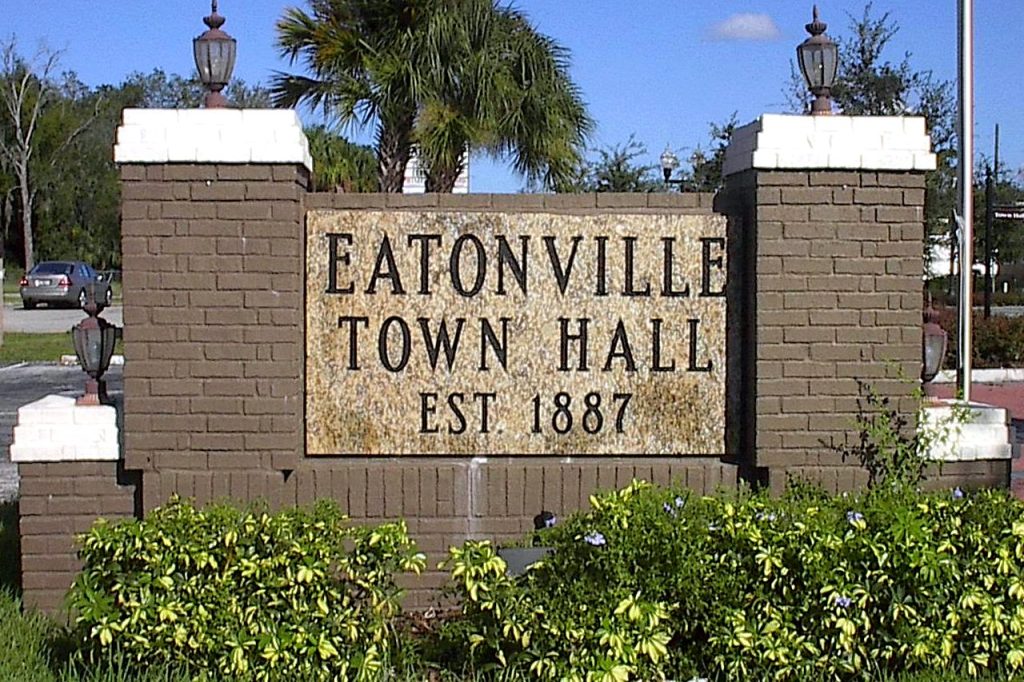
On October 19, the County Commission voted 6–1 to spend the river the way the law allows. Three hundred and fifty million dollars for the Dr. Phillips Center. Fifty-two and a half million for a parking garage at Camping World Stadium. Forty-six million for UCF. Twenty-five million for a children’s museum in Winter Garden. And — I want to be fair about this, because it matters — $80 million for Eatonville, $60 million for its museum of culture and history and $20 million for its heritage district, which our newsroom covered in Eatonville’s $80 million award. That is the system working at its best, and it still leaves the central question untouched.
Do the math with me
Take just the largest line. The $350 million for the Dr. Phillips Center is roughly 91 percent of everything the tax collected in its best year ever. One building, one year of a record river. I am not against the arts center; I have sat in it and been glad it exists. I am against a set of rules under which a performing-arts expansion can absorb a year of the tax while the county must tell the people who staff the hotels that there is legally nothing in the pot for the ride home.
That is not weather. That is a choice, written in Florida Statute §125.0104, subsection (5), which lists what the money may be used for — convention centers, stadiums, arenas, museums, tourism promotion, bureaus — and stops there. Transit is not on the list. Workforce housing is not on the list. And the one door the statute does open toward broader public facilities comes with a gate: at least 40 percent of all the revenue must first be spent promoting and advertising tourism. Orange County, by its own funding page, spends about 30 percent on promotion. The door is locked, and the key is more advertising.
The other side’s best point, honestly stated
Clarence Howard is right that the fence made this tax sellable in the first place, and that a promise casually broken teaches voters to disbelieve the next one. I concede the history. She is wrong that a bargain struck for a poorer Orlando binds a richer one forever. The tax was designed when the problem was attracting visitors. The problem now is housing and moving the people the visitors depend on. A law that cannot learn is not a promise. It is a museum piece — and unlike Eatonville’s, nobody voted to preserve it this way in perpetuity.
We also know the fence can move, because it already has. The Legislature has carved exceptions before: some beach counties may now use tourist-tax money for lifeguards and law enforcement tied to tourism’s impact, and in 2024 the Florida Keys were allowed to put a portion toward affordable housing. Those were not acts of lawlessness. They were Tallahassee admitting that a tourism tax can pay for tourism’s footprint. Orange County’s footprint is simply bigger.
The county is already asking — quietly
In September, Winter Park’s council voted to urge the county to explore every avenue to expand the tax’s uses — transportation and affordable housing named outright — to consider adding pennies, and to lower that 40 percent promotion threshold, and its mayor wrote to the other mayors in the county asking them to join. The mayor’s own citizen task force, 34 members appointed by the commissioners and mayors, declined to recommend the stadium parking garage and the UCF projects the commission then funded anyway. Read those two facts together. The appointed neighbours said spend less on concrete for visitors’ cars. The elected board funded the garage. Commissioner Semrad cast the lone no.
So here is the lever, named plainly, because this column always ends at the lever. The Orange County Commission should adopt the Winter Park ask as its own legislative priority and take it to Tallahassee: amend §125.0104 so that a defined share of a record tax can fund transit and workforce housing in the county that collects it, with the promotion threshold lowered to a level this county actually meets. If you live here, that is the meeting and the session where your commute gets decided — not in another task-force report the board is free to outrun.
Margaret makes the case for keeping the promise exactly as written in The Howard Ledger, and Margaret Shepherd argues we should publish the whole ledger, street by street, before the next argument in From the Porch. The three of us are the Opinion desk — same facts, three honest conclusions. Mine is this: a record haul and a locked box is not fiscal conservatism or progress. It is just a choice, and choices can be remade by the people who made them.
Sources & notes
Facts in this column were checked against: Orange County Comptroller, Annual Comprehensive Financial Report for the year ended September 30, 2025 (tourist development tax collections of $384.6 million, up 7 percent); Florida Statute §125.0104(3) and (5) (the 6 percent levy in Orange County on stays of six months or less, the authorized-uses list, and the 40-percent promotion condition); Orange County’s Tourist Development Tax funding page (county promotion share of about 30 percent); WFTV, October 20, 2026, Bungalower, October 20, 2026, and Central Florida Public Media, October 20, 2026 (the October 19 vote, 6–1, the allocations, and Commissioner Semrad’s dissent); Winter Park Voice, September 15, 2026 (Winter Park’s resolution, the task force’s recommendations, and the beach-county and Florida Keys precedents); and the Citizen’s own reporting on the Eatonville award, linked above. The 91-percent figure is this column’s arithmetic on the comptroller’s $384.6 million.
Orlando Citizen by email
The weekly edition, in your inbox
One email, every Saturday: the week’s edition of Orlando Citizen — the week’s stories, rankings and winners, gathered in one place. Free, and you can unsubscribe at any time.
Related Stories
Editor’s Picks
Spotted an error? Tell us — corrections · How we rank
