Gulf Red Grouper: A Quota Pool Would Give Half the New Fish to Boats That Own No Shares
A federal proposal open for comment through Jan. 26, 2027, would test setting aside half of a 275,000-pound Gulf red grouper quota pool that year for working fishermen who own no shares in the fishery.
4 minute read
WASHINGTON — For a captain who works the Gulf’s red grouper fishery without owning shares, every commercial pound landed begins with a lease. In a fishery where the right to land fish commercially is divided into shares, those who hold none fish on allocation leased from those who do. Federal regulators are now taking public comment on a three-year experiment that would open a different door into the fishery, reserving half of a new quota pool for working fishermen who own no red grouper shares at all.
The National Marine Fisheries Service announced on Nov. 27 that Amendment 63 to the Fishery Management Plan for the Reef Fish Resources of the Gulf is available for review, with written comments due by Jan. 26, 2027. Prepared by the Gulf Fishery Management Council and approved by the council in June 2026, the amendment would establish a commercial red grouper quota pool as a three-year pilot program inside the existing Grouper-Tilefish Individual Fishing Quota (IFQ) program.
How the pool would work
The arrangement depends entirely on growth. The pool would exist only because the fishery’s overall quota is expanding: under Amendment 62, the commercial red grouper quota stands at 4.28 million pounds gutted weight for 2026 and rises to 4.83 million pounds for 2027. Amendment 63’s preferred alternative would set aside half of everything above the 4.28-million-pound line to form the pool — 275,000 pounds in 2027, and 545,000 pounds in each of 2028 and 2029. If the quota stood at or below 4.28 million pounds, the pool would be zero.
To qualify under the preferred alternative, a fisherman would have to show work rather than ownership. An IFQ account holder would need a valid or renewable federal commercial reef fish permit and at least 500 pounds of red grouper landings, gutted weight, across a two-year reference period. Once eligibility is set, the pool would split evenly in two: half distributed in proportion to landings among eligible accounts that hold red grouper shares, and half distributed on the same basis among eligible accounts that hold none.
In its Federal Register notice summary, the service states the goal plainly: to test whether a new method of distributing part of the commercial quota improves access to red grouper allocation within the IFQ program, reduces bycatch and discards of IFQ species, and improves the profitability of the fishermen who take part.
What has not happened yet
For now, the pool exists only on paper. Nothing in Amendment 63 is in force; the Nov. 27 notice announces the amendment’s availability and requests comments on the amendment itself. A separate proposed rule to carry the amendment into regulation would follow, and the service may approve, disapprove or partially approve the plan. The poundage and eligibility figures are the amendment’s preferred alternatives — the options the council chose among several it analyzed — and the final program, if there is one, could differ. To keep the calendar from outrunning the decision, a related framework proposal published in September would hold back the 275,000 pounds of 2027 quota the pool would need, keeping the fish from being distributed to shareholders on Jan. 1 before the amendment’s fate is decided.
Along Florida’s Gulf coast, where red grouper is a mainstay of the commercial reef-fish fleet, the experiment sharpens a question the share system has carried since it began: whether a fishery’s new abundance should flow only to those who already own a piece of it. Comments, identified by docket NOAA-NMFS-2026-2938, may be filed at regulations.gov or mailed to Dan Luers, NMFS Southeast Regional Office, 263 13th Avenue South, St. Petersburg, FL 33701 — the regional office that manages the fishery from Florida’s own Gulf shore.
More of the Citizen’s National coverage is collected on the National hub, and the full National archive is in the National category. Related coverage: Ciliate-Leaf Tickseed: A Florida Wetland Wildflower Is Proposed for Threatened Listing and Forest Service Reopens Comment on Its National-Forest Mining Rules.
Sources & notes
The announcement, comment deadline, docket and addresses are from NMFS’s notice in the Federal Register of Nov. 27, 2026 (91 FR 76739, Document 2026-24118, RIN 0648-BO32, 50 CFR Part 622), read in full. The pool’s size, the 4.28-million-pound threshold, the 500-pound eligibility figure and the 50/50 distribution are the preferred alternatives stated in Amendment 63 itself (October 2026), published by NOAA Fisheries; the 2027 commercial quota of 4.83 million pounds is from the Amendment 62 framework record on regulations.gov. The purpose language paraphrases the notice’s summary closely. The September holdback proposal is described from its Federal Register summary. No fisherman, dealer or council member is quoted, and no landings total for any individual port is asserted.
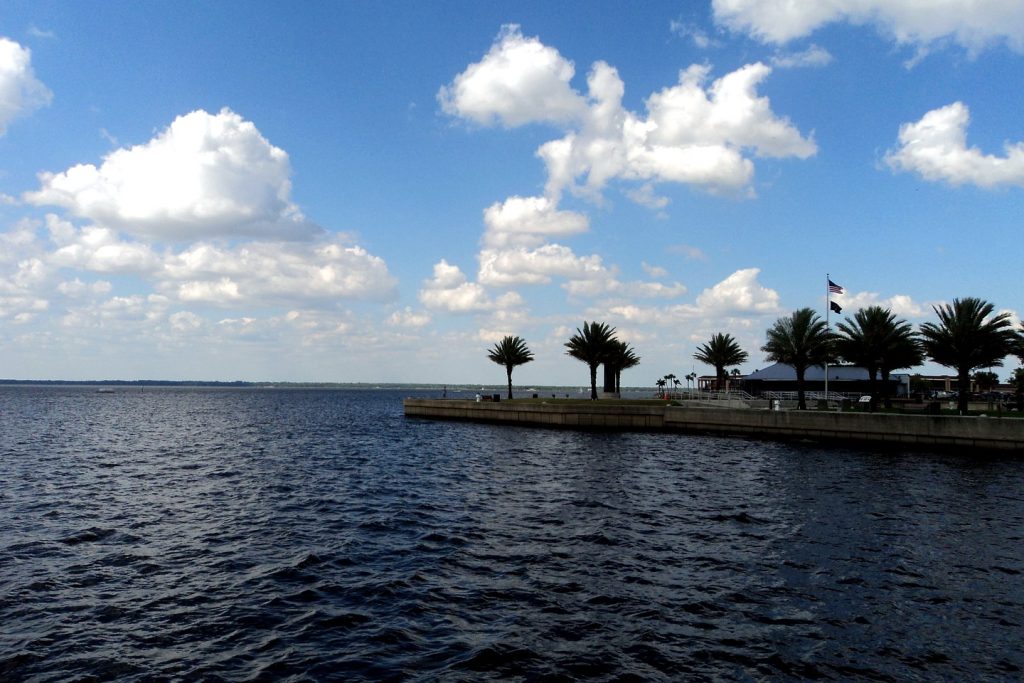
Photo: Orlando Citizen file photograph, first published with the Citizen’s Walton County shore-erosion coverage.
Orlando Citizen by email
The weekly edition, in your inbox
One email, every Saturday: the week’s edition of Orlando Citizen — the week’s stories, rankings and winners, gathered in one place. Free, and you can unsubscribe at any time.
Related Stories
Editor’s Picks
Spotted an error? Tell us — corrections · How we rank