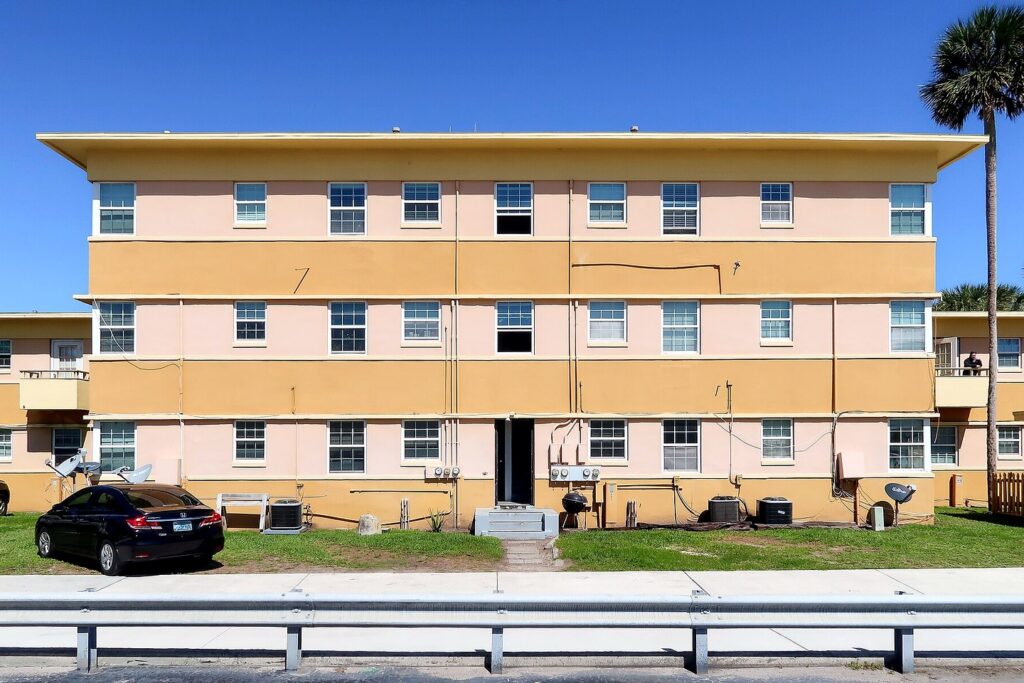
Orlando Rent Prices: Median Asking Rent Falls to $1,663 as U.S. Rents Rise for the First Time Since 2023
For Orlando renters weighing a lease renewal this month, local asking rents fell 1.3 percent to $1,663 in October, defying the first national rent increase since June 2023, Realtor.com® reports.
3 minute read
Real Estate & Growth
Orlando Rent Prices: Median Asking Rent Falls to $1,663 as U.S. Rents Rise for the First Time Since 2023
For an Orlando renter opening a renewal letter this month and weighing whether to stay put or test the market, the local math breaks from the national story: even as asking rents across the United States edged upward in October for the first time since June 2023, the median asking rent in the Orlando-Kissimmee-Sanford metro fell 1.3 percent to $1,663, according to the Realtor.com® October 2026 Rent Report, released November 18, 2026.
What a household confronts in those listings is an asking price — what a landlord posts to fill a vacant unit, not what sitting tenants already pay under existing leases, a distinction this desk notes because the two figures frame very different choices when a lease is up. In the Realtor.com® report, that metro figure spans studio, one-bedroom and two-bedroom homes advertised for rent, taking in apartment buildings alongside privately rented condos, townhouses and single-family houses.
A national turn Orlando has not made
Nationally, more than three years of easing gave way to the slightest of increases. Across the 50 largest U.S. metropolitan areas, the median asking rent rose $1, or 0.1 percent, year over year to $1,692 a month — the first annual gain since June 2023, leaving rents $82, or 4.6 percent, below their August 2022 peak, yet still 15 percent higher than in October 2019. Larger units drove the shift: two-bedroom asking rents climbed 0.3 percent to $1,889, their first annual increase since May 2023, and one-bedrooms ticked up 0.1 percent to $1,566, their first gain since June 2023, even as studio rents fell 1.2 percent to $1,411, marking a 39th straight month of annual decline. Orlando, however, kept moving downward. At $1,663, down 1.3 percent, the region remained below the 50-metro median and in step with every other major Florida market in the report: Tampa fell 2.3 percent to $1,604; Miami-Fort Lauderdale-West Palm Beach slipped 1.0 percent to $2,286; and Jacksonville declined 0.9 percent to $1,492.
“Renters still face a very different affordability picture than they did before the pandemic,” said Jiayi Xu, senior economist at Realtor.com®. “Elevated borrowing costs may keep more households renting, just as new deliveries slow. That makes the local construction pipeline increasingly important to the outlook for rent relief.”
The construction wave behind the local number
Behind the national inflection, Realtor.com® sees an apartment-building boom losing steam. Between 2023 and 2025, developers completed nearly 1.5 million homes in buildings of five or more units — 46.1 percent more than in the three-year stretch from 2017 to 2019 — a wave of supply that helped keep landlords in check. Now that wave is receding. In the third quarter of 2026, multifamily completions fell 26 percent from a year earlier to a seasonally adjusted annual rate of 330,000 units, only 2.8 percent above the 2017–2019 average, while units under construction slipped 2.7 percent to 674,000 and housing starts dropped 9.2 percent to an annualized 403,000. Across the South, the report notes, completions and starts stood just 3.7 percent above pre-pandemic norms, though the region’s broader construction pipeline remained elevated.
Across Orlando’s areas, that pipeline is still taking physical shape. In Kissimmee, crews have 252 market-rate apartments under construction at Gateway Osceola near NeoCity; north in Apopka, 192 affordable apartments at Southwick Commons welcomed residents this month. Whether Central Florida’s asking rents continue to ease while the rest of the country turns upward will hinge, by Realtor.com®’s logic, on a race between new keys like those and the households locked into renting because October’s borrowing rates keep homeownership out of reach. For the moment, at least, an Orlando renter looking up from a lease notice to the national news finds two competing realities — and the gentler number is the one closer to home.
More from this desk: the Real Estate & Growth archive and the Citizen’s beat reporters index.
Sources & notes: All figures are from the Realtor.com® October 2026 Rent Report (Realtor.com® release via PR Newswire, November 18, 2026), read in full by this desk. Rental data are as of October 2026 for studio, one- and two-bedroom units advertised for rent on Realtor.com® in the 50 largest U.S. metropolitan areas; asking rents are listed prices, not rents paid under existing leases. Construction figures are national (U.S. Census-based series as reported by Realtor.com®); the South-region pipeline statement is the report’s own. Local project details are from this desk’s prior reporting, linked in the story. Featured photograph is a file photograph from a related Citizen story in this series.
Orlando Citizen by email
The weekly edition, in your inbox
One email, every Saturday: the week’s edition of Orlando Citizen — the week’s stories, rankings and winners, gathered in one place. Free, and you can unsubscribe at any time.
Related Stories
 Real Estate & GrowthOrlando Housing Market: Sellers Outnumber Buyers by 130.9% in Redfin’s October Count
 Real Estate & GrowthFlorida Home Sales Fall 10.1% in October as Single-Family Prices Rise and Condo Prices SlipReal Estate & GrowthOrlando Home Prices: Median Sale Price Falls to $398,719 in October as Inventory Hits a 2026 High
Editor’s Picks
Spotted an error? Tell us — corrections · How we rank