Orlando Tourist Tax: Print the Ledger, Street by Street, Before the Next Vote
Before Orlando argues again over whether the tourist-tax fence should stand or fall, the county should publish one page: every dollar committed, the neighbourhood it lands in, and the year it moves.
4 minute read
OPINION — From the Porch
Here is what the tourist tax looks like from a porch in College Park. It does not look like $384.6 million, which is what Orange County’s 6 percent tax on hotel rooms and short-term rentals collected in the fiscal year that ended September 30, 2025 — a record, says the comptroller’s annual report, up 7 percent. From the porch it looks smaller and more specific than that. It looks like a museum rising one day in Eatonville. It looks like a parking garage near Camping World Stadium. It looks like the traffic on the mornings when everybody else’s vacation is starting and your street is how they get there.
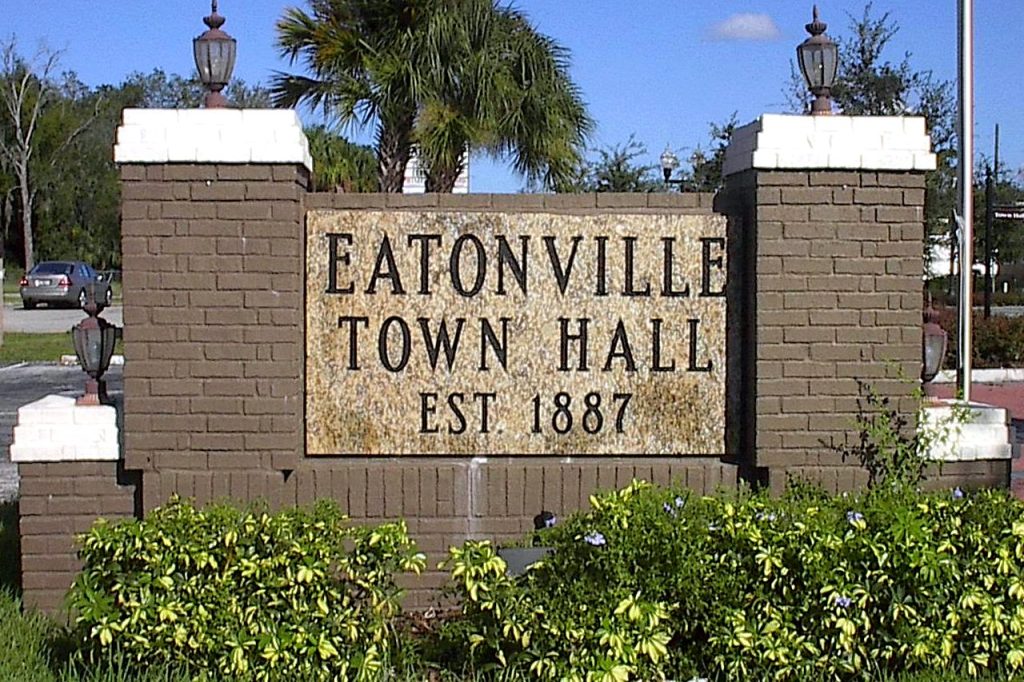
On October 19, the County Commission voted 6–1 to approve the spending plan: $350 million for the Dr. Phillips Center, $60 million for the Eatonville Museum of Culture & History and $20 million for the town’s Heritage Tourism District, $52.5 million for that stadium parking garage, $46 million for UCF, $25 million for a children’s museum in Winter Garden. Our newsroom’s story on Eatonville’s $80 million is the piece of it I keep coming back to, because Eatonville is a real place with real streets, and $80 million will land on them.
Both things are true
Clarence Howard is right that the promise matters. Florida Statute §125.0104 says this money may be used for a listed set of tourism purposes only, and a county that treats a dedicated tax as a general wallet will not be trusted with the next one. G. L. Dyer is right that the list was written for a different Orlando — it has no room in it for the bus or the workforce apartment, and the one broader door in the statute requires 40 percent of the money to go to tourism promotion first, a threshold the county’s own page says we do not meet at about 30 percent.
Both things are true. And neither one answers the question I actually hear on my street, which is not “fence or no fence.” It is: what did our part of the county get, what did it cost us, and who checked?
Consider what we know and what we don’t. We know the mayor’s 34-member citizen task force — neighbours appointed by the commissioners and the city mayors — declined to recommend the stadium parking garage and the UCF projects. We know the commission funded them anyway. We know Winter Park’s council voted in September to ask the county to explore using this money for transportation and housing, and to lower the 40 percent promotion threshold, and that its mayor wrote to the other mayors asking them to say the same. What we do not have, anywhere a resident can pull it up on a phone, is the ledger itself: project by project, neighbourhood by neighbourhood, what tourism pays for here and what hosting it costs here, in the same table.
The street test, applied to a tax
My test for any grand plan is what happens on the street where it lands. Eatonville’s museum passes the first part of that test easily — it is a public museum, in a historic town, of exactly the kind the statute names. The test’s second part is the one nobody has scheduled: when the heritage district’s first money arrives, forecast for fiscal 2028 in the county’s own planning, with the museum’s expected about a year sooner, who reports back on what changed on the town’s streets? Not the ribbon. The street.
The parking garage fails my test in the opposite direction. Not because parking is wicked — because the people appointed to look at it closest said no, and the board said yes, and no published ledger lets a resident in Parramore or College Park weigh that trade against what their own streets were offered. A decision you cannot trace is a decision you cannot argue with, and Orlando argues best when it can see the numbers.
One small, checkable ask
So I am not joining either of my colleagues today, which will surprise neither of them. Margaret wants the fence kept, in The Howard Ledger. Daniel wants the law changed, in Fair Share. I want the thing that has to come before either argument can be honest: publish the ledger.
One page, updated every quarter, on the county’s site and linked from ours at the Opinion hub: every tourist-tax dollar committed on October 19 and since, the project, the neighbourhood it lands in, the year the money is forecast to move, and the reserve left over. Then hold the argument Margaret and Daniel are having — I will happily lose it in public if the numbers say so. But a county that collects a record $384.6 million from its visitors and cannot show its residents a single street-by-street page of where it went has not earned either the fence or the crowbar. Print the ledger. Then we will talk.
Sources & notes
Facts in this column were checked against: Orange County Comptroller, Annual Comprehensive Financial Report for the year ended September 30, 2025 (tourist development tax collections of $384.6 million, up 7 percent); Florida Statute §125.0104(5) (the authorized-uses list and the 40-percent promotion condition) and Orange County’s Tourist Development Tax funding page (county promotion share of about 30 percent); WFTV, October 20, 2026, and Bungalower, October 20, 2026 (the October 19 vote, 6–1, and the project allocations); Winter Park Voice, September 15, 2026 (the citizen task force’s recommendations and Winter Park’s resolution); and the Citizen’s own reporting on the Eatonville award, including the forecast payment timing, linked above.
Orlando Citizen by email
The weekly edition, in your inbox
One email, every Saturday: the week’s edition of Orlando Citizen — the week’s stories, rankings and winners, gathered in one place. Free, and you can unsubscribe at any time.
Related Stories
Editor’s Picks
Spotted an error? Tell us — corrections · How we rank
